The Ultimate Guide to Fade Haircut Styles: Find Your Perfect Look
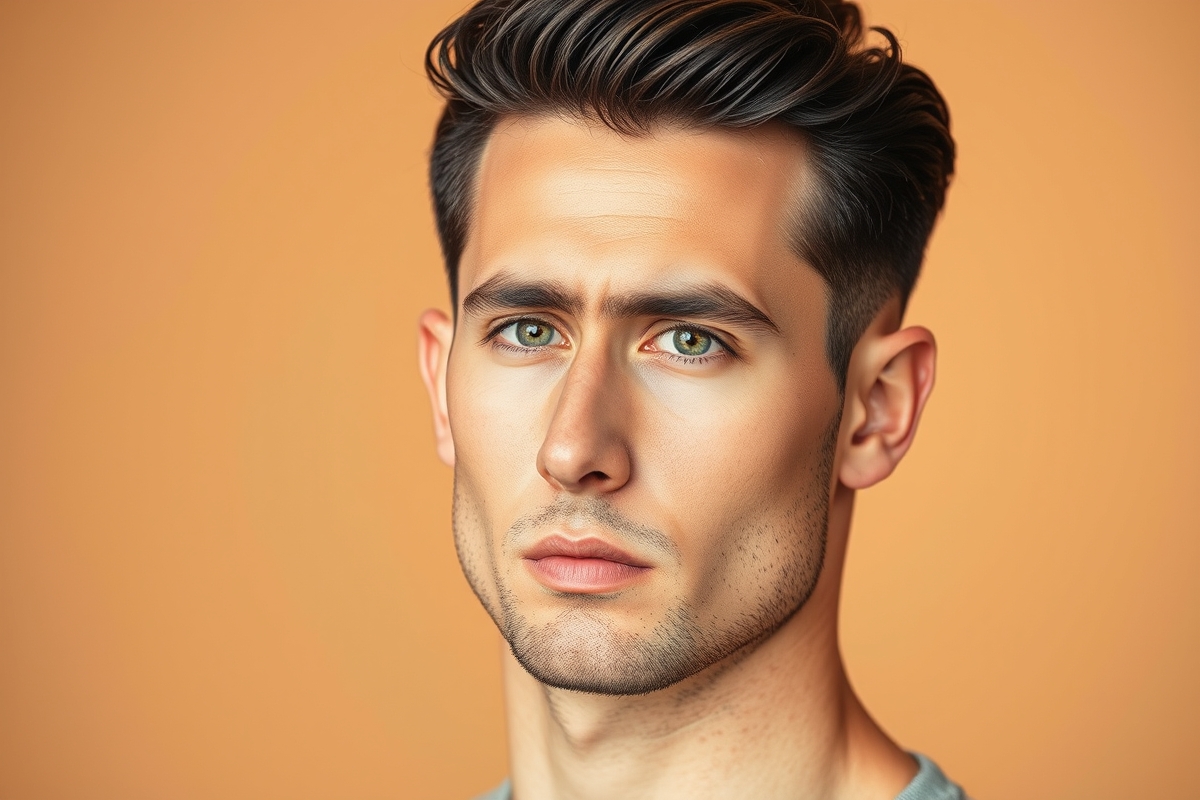
Are you ready to take your hairstyle to the next level with a fade haircut? From sleek and modern to edgy and bold, fade haircuts offer a versatility that’s hard to resist. This list is for anyone looking to try a fresh new look, with styles and techniques to suit every hair type and personal style.
1. The Classic Low Fade
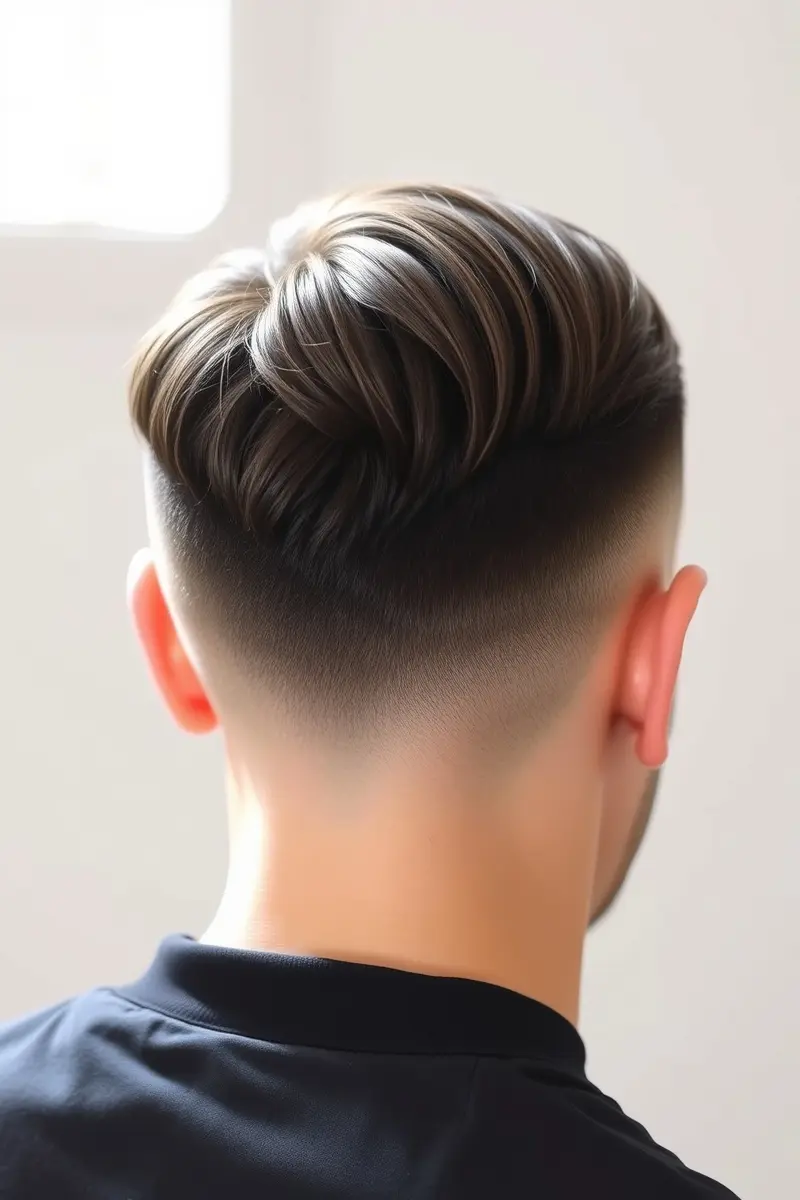
A low fade haircut is a timeless choice that exudes subtle sophistication. It typically starts just above the ear, creating a seamless transition from hair to skin.
This style is perfect for those who want a clean, polished look without going over the top. I’ve seen it work wonders for clients in corporate environments, where a professional yet stylish appearance is key.
The low fade provides a sharp, put-together look that’s not too flashy, making it ideal for everyday wear. I recall one client, a finance executive, who opted for a low fade and instantly looked more refined and confident.
To keep the style looking its best, it’s essential to maintain the sharp lines around the neckline. A pro tip is to use a trimmer with a precision guard to tidy up the edges every few days, ensuring a crisp, defined look that lasts.
This attention to detail can make all the difference in achieving a truly polished appearance. With its versatility and ease of maintenance, the classic low fade is a great choice for anyone looking for a stylish, low-maintenance haircut.
2. The Versatile Mid Fade
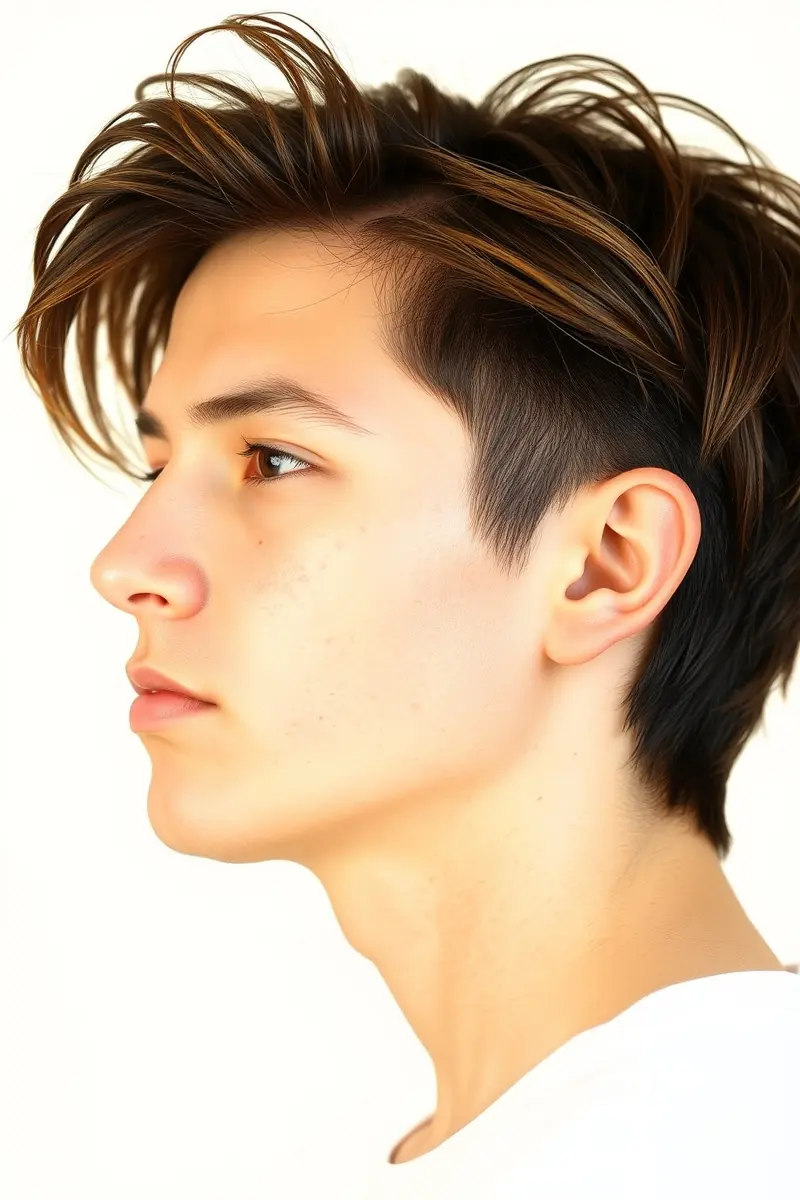
The mid fade is a game-changer for those who want a stylish cut without going too extreme. It starts around the midpoint of the head, between the temple and the ear, creating a seamless transition from hair to skin.
This style works with various hair lengths on top, from short and messy to long and sleek. The key to pulling off a mid fade is the blending technique, which requires a skilled barber to create a natural-looking gradient.
A good barber will use clippers and scissors to achieve a smooth transition, making it impossible to tell where the hair ends and the fade begins. When done correctly, the mid fade suits most face shapes, from oval to square.
However, common mistakes can ruin the look, such as an uneven blend line, which can make the fade look choppy and unpolished. To avoid this, the barber must pay close attention to the layering and texture of the hair, ensuring a flawless finish.
With the right technique, the mid fade is a versatile and stylish choice that can be tailored to suit any hair type or personal style.
3. The Bold High Fade
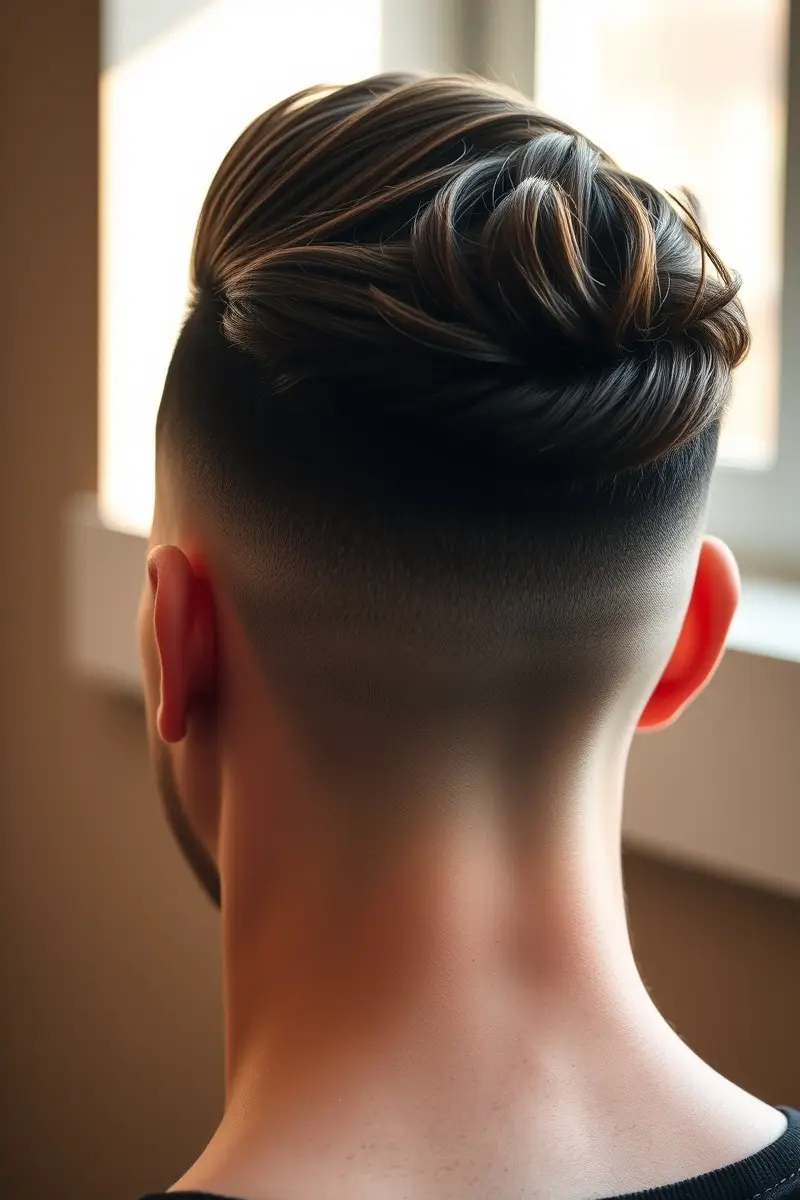
The high fade is a statement cut that starts its fade much higher up, often just above the temples. This positioning creates a strong contrast between the shaved sides and the hair on top.
The result is a bold, eye-catching look that demands attention. With a high fade, the hair on top takes center stage, drawing the eye upwards.
When done right, this cut feels incredibly sharp and clean, like a breath of fresh air. It’s a sensation that’s hard to match, and it makes the hair on top appear thicker and more dense.
Thicker hair on top is ideal for this style, as it adds to the dramatic effect. For those with naturally thicker locks, a high fade can be a game-changer, accentuating the hair’s natural texture and volume. The overall effect is sleek, modern, and undeniably cool.
4. The Sharp Skin/Bald Fade
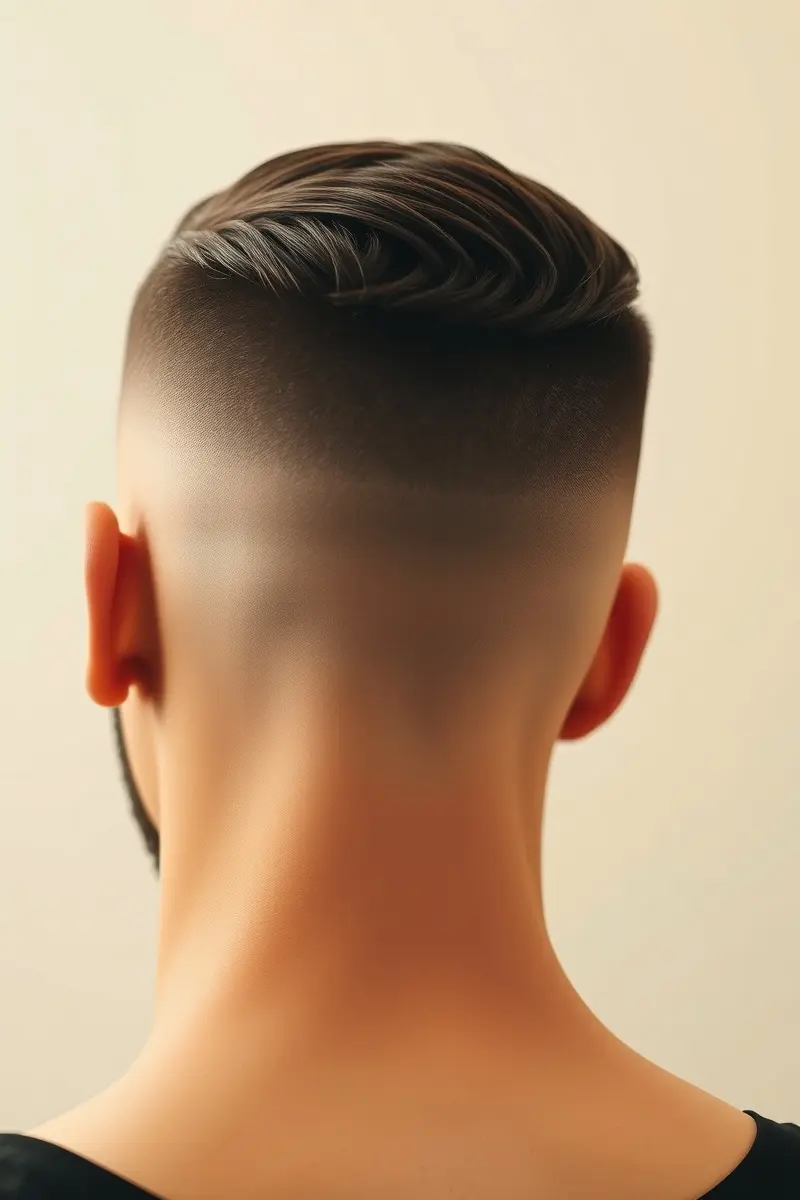
The skin or bald fade is a bold haircut style where the hair gradually fades down to bare skin. This look requires meticulous clippering and shaving to create a seamless transition.
A skilled barber will use a gradient of clipper guard numbers, typically starting with a higher number and working down to zero, to achieve the perfect fade. The result is a clean, edgy look that’s perfect for those who want a sleek, modern style.
The key to pulling off this look is the precision of the fade, which is why it’s crucial to have a skilled barber who knows how to work with clippers and razors. A good barber will take their time to ensure a smooth, even fade, avoiding nicks and unevenness that can ruin the overall look.
With the right technique and a bit of practice, the skin fade can be a truly stunning haircut style that’s sure to turn heads.
5. The Subtle Taper Fade
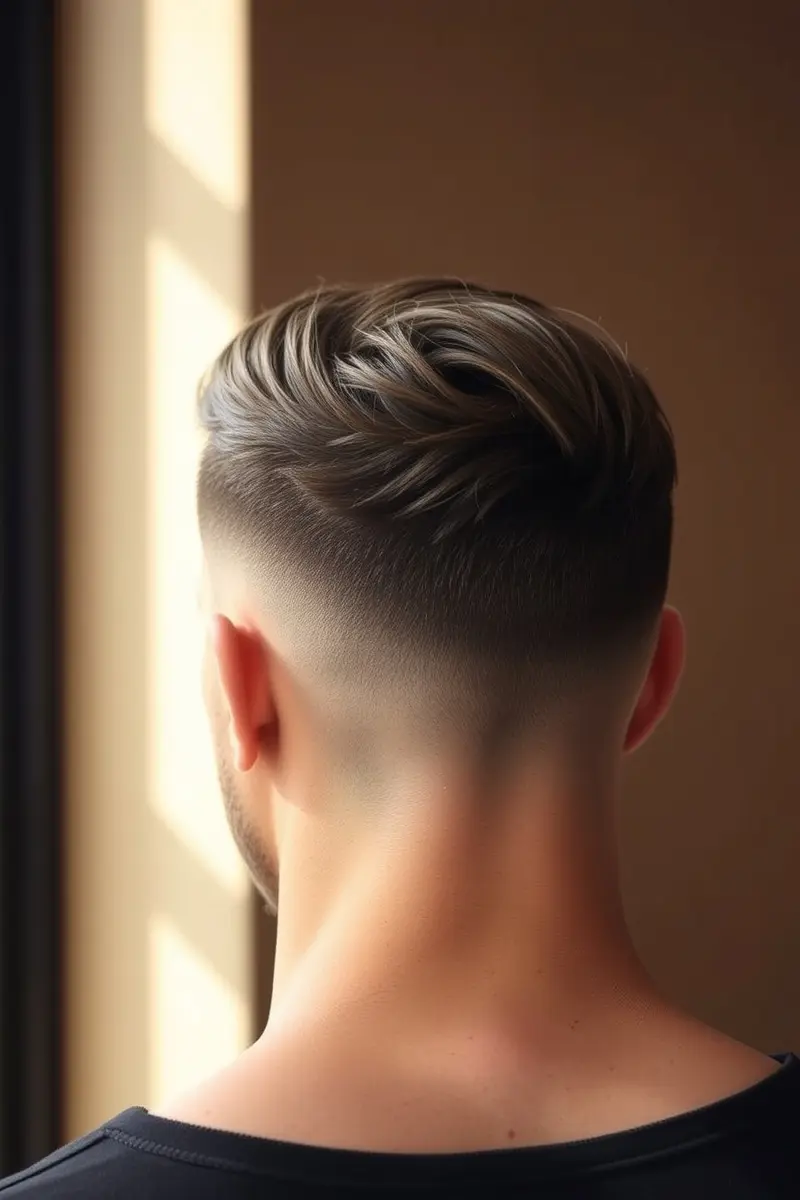
The subtle taper fade is a cut above the rest, offering a more gradual transition from hair to skin. This style focuses on the sideburns and neckline, creating a seamless blend.
Unlike traditional fades, the taper fade is less dramatic, making it perfect for those who want a low-key look. I’ve seen this style work wonders for men who want a neat, natural appearance with minimal contrast.
The result is a classic, understated elegance that exudes sophistication. One of the best things about the taper fade is how it grows out – it’s much more forgiving than a skin fade, allowing you to go longer between trims without looking unkempt.
This style is all about subtlety, making it ideal for men who prefer a understated look that still packs a punch. The taper fade is a great choice for those who want a stylish cut without the high maintenance.
6. The Unique Drop Fade
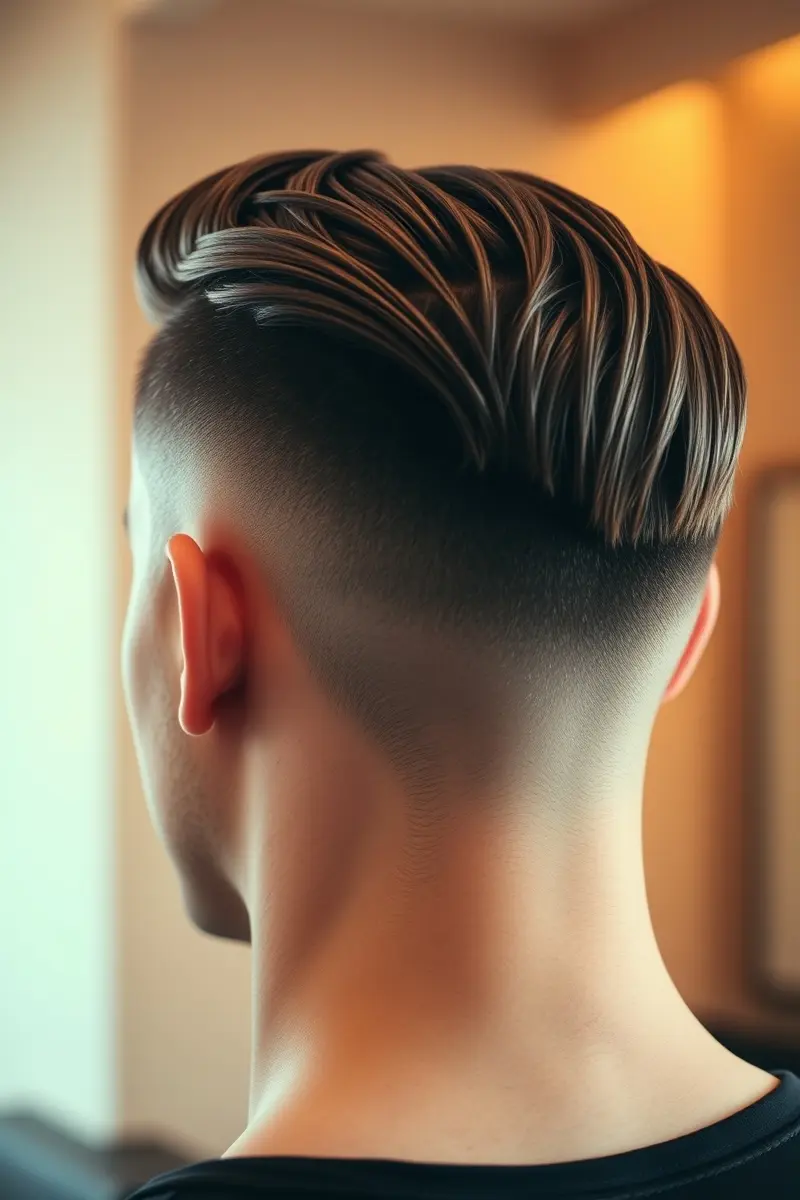
The drop fade is a game-changer for men looking to add some edge to their style. This fade haircut style features a distinctive curve that drops behind the ear, following the natural hairline. The result is a clean, angular look that adds a unique silhouette to the head.
To create this curve, stylists use a combination of clippers and scissors to carve out a seamless line that drops down behind the ear. Maintaining this line requires regular trims to keep the curve defined.
The drop fade complements oval and round head shapes particularly well, as it adds a touch of angularity to the face. For square head shapes, it can help soften the jawline. When done right, the drop fade creates a visual impact that’s both sleek and modern.
The curved line draws the eye down, creating a lengthening effect that can make the head appear more slender. With the right styling products, this fade can be dressed up or down, making it a versatile choice for any occasion.
The key to pulling off the drop fade is confidence, as it’s a bold, eye-catching style that demands attention.
7. The Defined Temple Fade (Temp Fade)
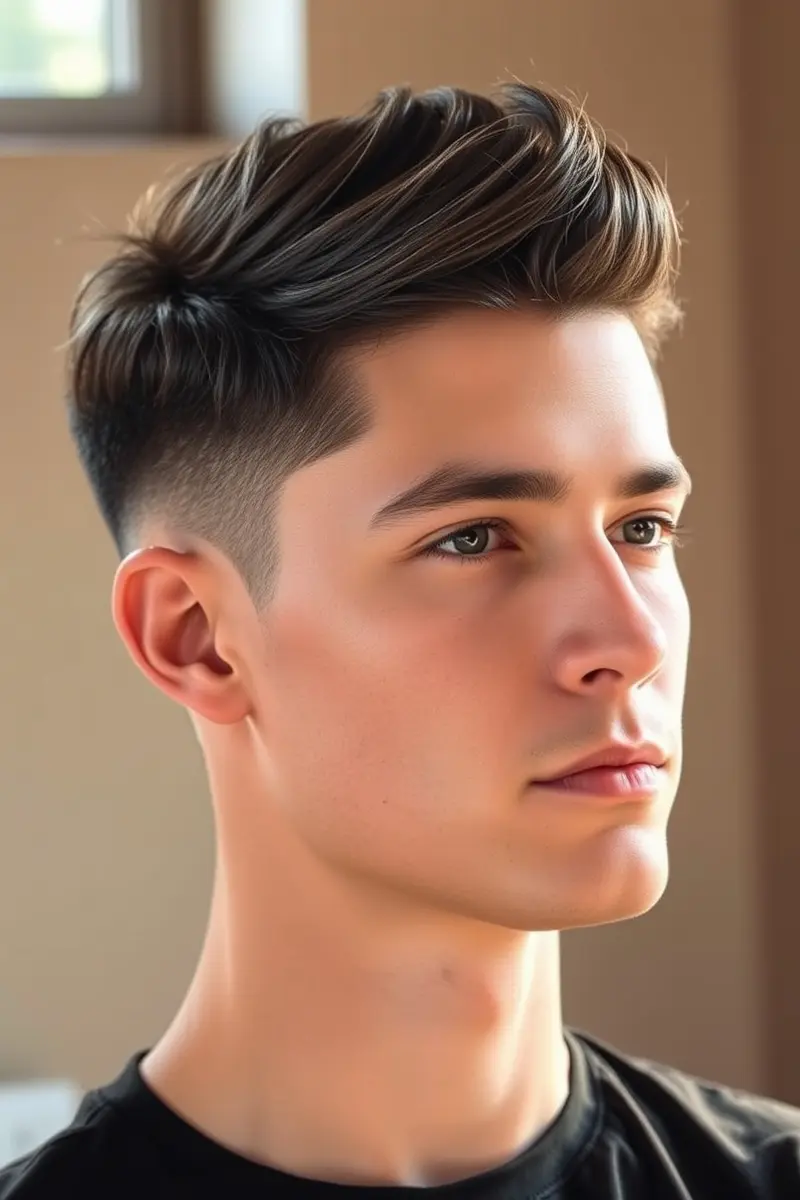
The temple fade is a staple in urban styles, and for good reason. It creates sharp, defined edges that frame the face. This style concentrates the fade around the temples and sideburns, leaving the back slightly longer.
The result is a clean, polished look that’s perfect for making a statement. I’ve seen firsthand how a well-executed temp fade can enhance facial structure, accentuating the jawline and cheekbones.
The key to pulling off this look is maintaining crisp lines between cuts. To keep your temp fade looking its best, touch up your edges every few weeks. This will prevent stray hairs from blurring the defined lines.
With regular maintenance, a temp fade can be a game-changer for men with angular features. The contrast between the faded temples and the longer hair on top creates a striking visual effect.
8. The Textured Scissor Fade
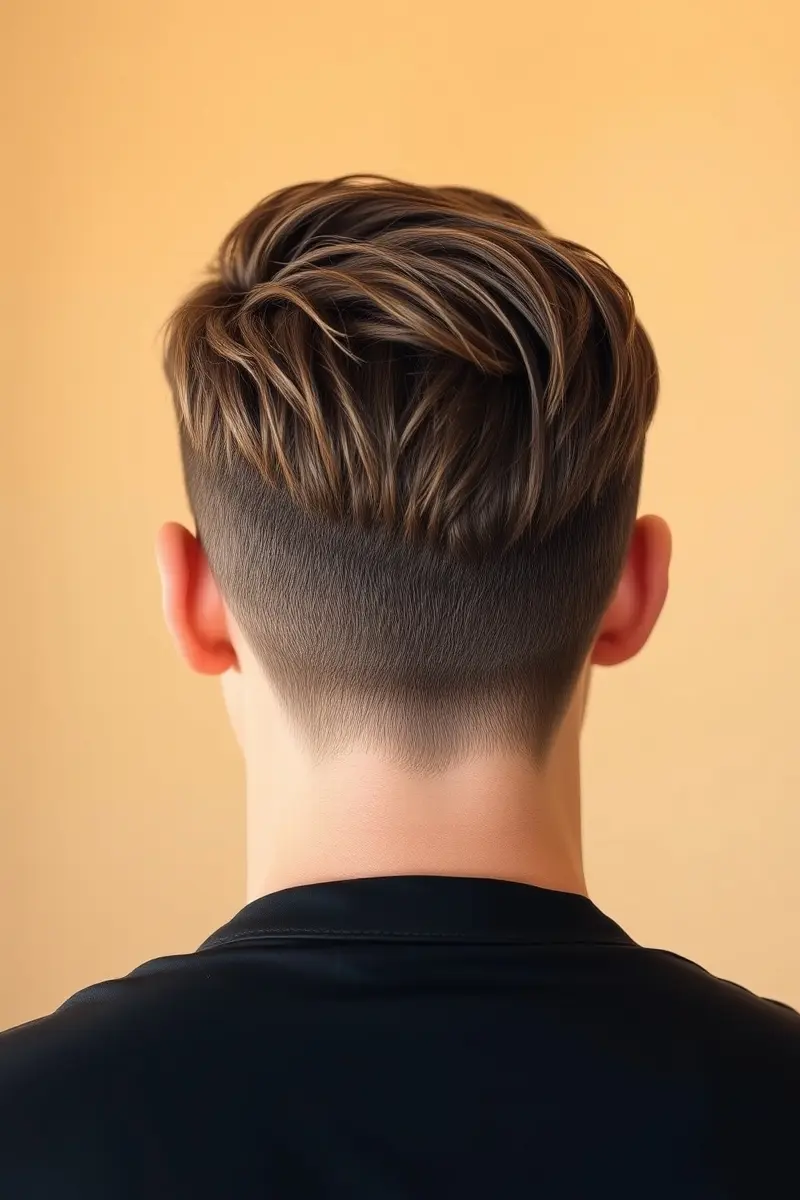
The textured scissor fade is a game-changer for those who want a softer, more natural look. This style is achieved entirely with scissors, eliminating the need for clippers. The result is a seamless blend of lengths, perfect for guys who want to avoid harsh lines. It’s especially beneficial for men with curly or wavy hair, as it creates a more organic look.
The scissor-over-comb technique is key to mastering this style. It requires a high level of skill and precision, as the barber must use thinning scissors to cut the hair while it’s being held in place with a comb.
This technique is vastly different from clipper work, which can be more forgiving. A skilled barber can use this method to create a customized fade that suits individual hair textures and face shapes.
Working with a highly experienced stylist is crucial to pulling off this look. They will be able to assess your hair and face shape to determine the perfect blend of lengths and layers. With the right stylist, you can achieve a textured scissor fade that adds depth and visual interest to your overall style.
9. The Modern Burst Fade
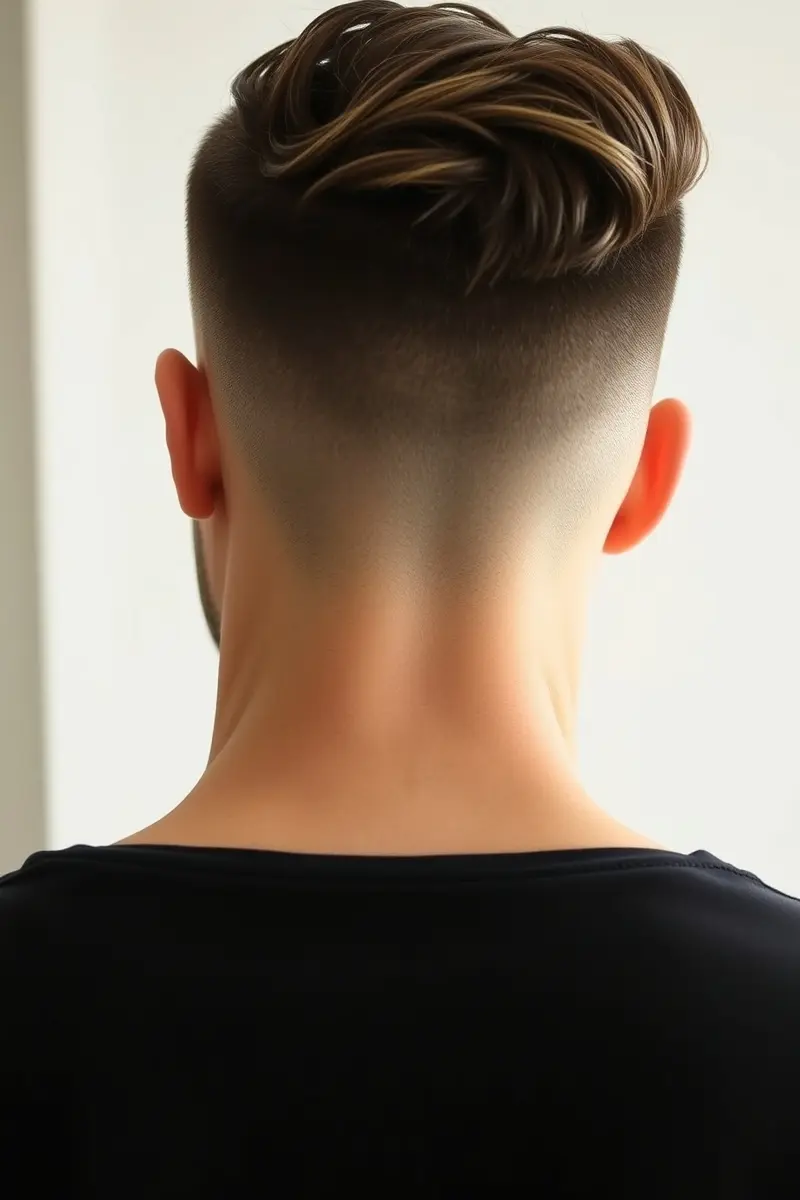
The modern burst fade is a game-changer for men who want a dynamic look. This style radiates outwards in a semi-circular pattern from behind the ear, leaving the back hair untouched.
The result is a unique appearance that’s both stylish and edgy. I’ve seen this fade create a distinctive ‘burst’ of hair that adds texture and visual interest to the overall style. It’s a great alternative to full fades, offering a bit more versatility.
When paired with longer top styles like a mohawk or faux hawk, the burst fade really comes alive. The contrast between the short, faded sides and the longer hair on top is striking.
This style works well for men with angular face shapes, as it adds a touch of softness to the overall look. The burst fade is perfect for those who want to make a statement with their hairstyle. It’s a bold, eye-catching look that’s sure to turn heads.
With the right styling products and a bit of practice, this fade can be tailored to suit any personal style.
10. The Edgy Undercut Fade Combination
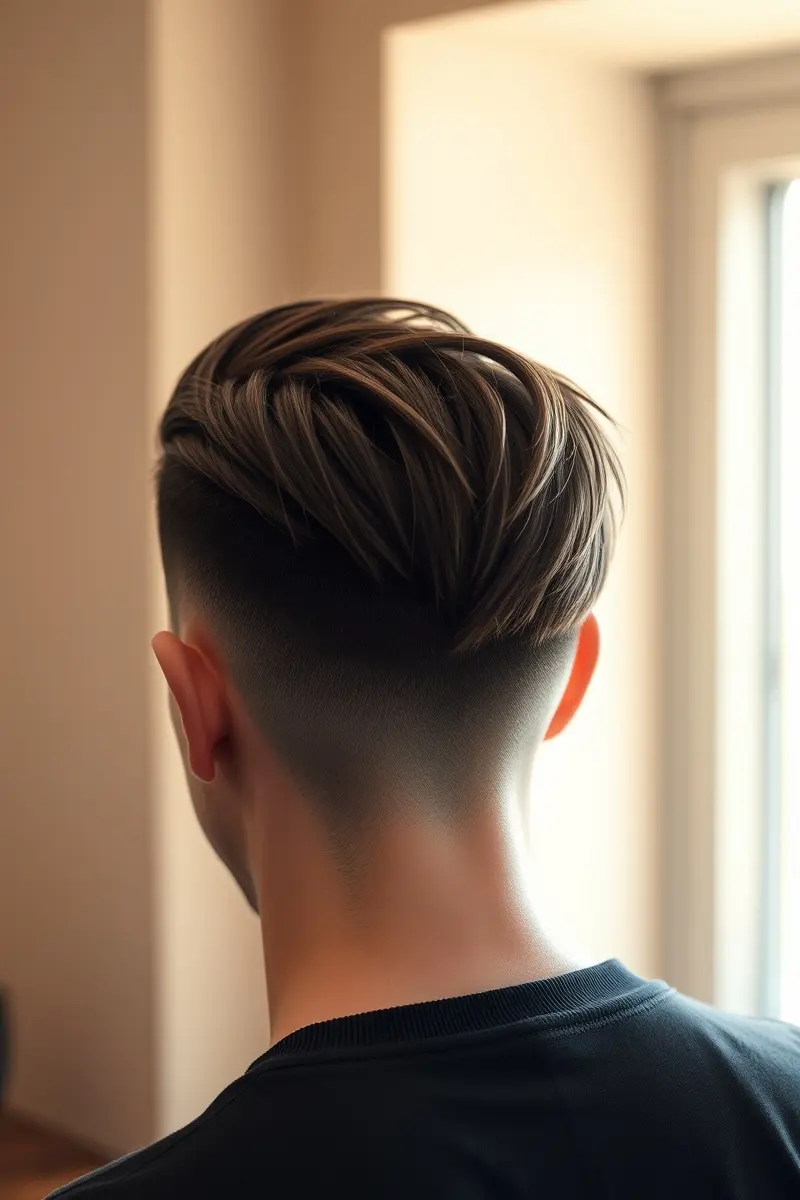
The undercut fade is a bold combination that brings together two distinct techniques. It maintains the defined separation of an undercut, where the top hair remains long.
At the same time, it incorporates the gradual tapering of a fade, where the hair on the sides and back gets progressively shorter. This seamless integration is key to pulling off the look, as it preserves the unique characteristics of both styles.
The result is a striking contrast between the long top section and the faded sides and back. The longer hair on top offers endless styling possibilities, from sleek and polished to messy and textured.
This versatility makes the undercut fade a great choice for those who want a dynamic, eye-catching look. The integration of these two techniques creates a haircut that is both edgy and sophisticated, perfect for making a statement.
With the right styling, the undercut fade can be dressed up or down, making it a versatile choice for any occasion.
11. The Shadow Fade (Softer Fade)
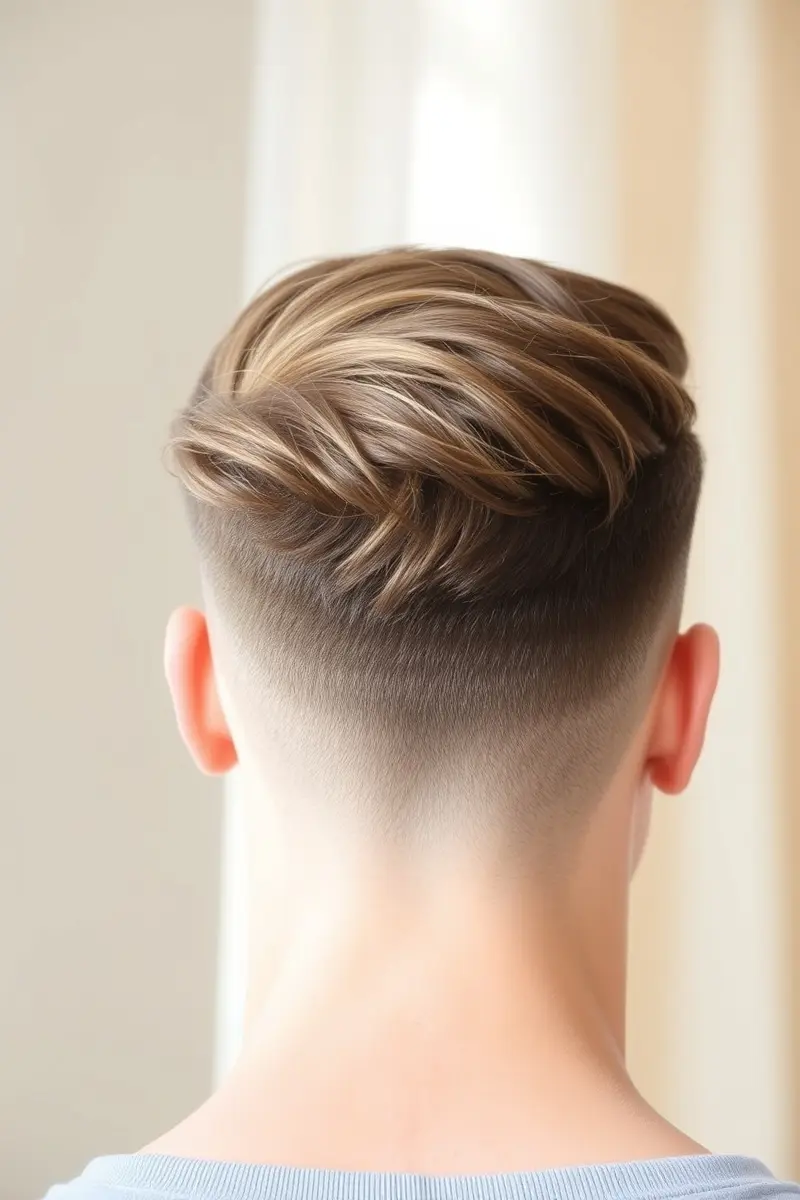
The shadow fade is a great option for those who want a subtle transition from hair to skin. This style uses higher guard numbers to create a softer blend.
The result is a natural look that doesn’t scream for attention. I’ve seen firsthand how this fade works well with various hair densities, from fine to coarse.
It’s a versatile style that suits most face shapes and hair types. The shadow fade feels less drastic compared to other fade haircut styles, making it perfect for first-timers or those who want a less aggressive contrast.
The grow-out is also easier, as the hair doesn’t look awkwardly long when it starts to grow back. This style is ideal for men who want a low-maintenance haircut that still looks stylish.
The shadow fade is a great choice for anyone looking for a subtle, yet stylish fade haircut style. It’s a forgiving style that works well with most hair textures and face shapes, making it a popular choice among men.
The key to pulling off this style is to find the right balance between the length of the hair and the fade. When done correctly, the shadow fade can add a lot of depth and dimension to the hair.
Time To Pick Your Favorite
With so many fade haircut styles to choose from, it’s time to find the one that suits you best. Remember to consider your face shape, hair type, and personal style when making your decision. Save this guide for your next salon visit and get ready to rock your new look. Share this with a friend who needs a hair change and start planning your next hairstyle adventure together.
Frequently Asked Questions
What is the difference between a taper and a fade haircut?
A taper is a gradual shortening of hair that often focuses on the sideburns and neckline, providing a clean finish. A fade is a more drastic transition where the hair gradually shortens down to the skin, creating a significant contrast. All fades are tapers, but not all tapers are fades; fades are a specific, more pronounced type of taper.
How often should I get a fade haircut to maintain it?
To keep a fade haircut looking sharp and clean, it’s generally recommended to get a trim every 2-3 weeks. The frequency depends on how quickly your hair grows and how sharp you want the fade line to remain. Skin fades may require more frequent maintenance than softer, longer fades.
Which fade haircut is best for my face shape?
The best fade depends on your face shape. High fades can elongate round faces, while mid fades are versatile and suit most shapes. Low fades are great for balancing longer faces. A skilled barber can assess your face shape and recommend a fade style that enhances your features.
Can fade haircuts work with all hair types?
Fade haircuts are highly versatile and can work with most hair types, including straight, wavy, curly, and coily. The key is to choose the right fade style and have a barber who understands how to cut and blend different textures. For example, curly hair often looks great with a longer, textured top and a sharp fade.
What should I ask my barber for when requesting a fade?
When asking for a fade, be specific about where you want the fade to start (low, mid, high), how short you want it to go (e.g., to skin, #1 guard), and how you want the top styled. Bringing a reference photo is always helpful to ensure you and your barber are on the same page for the desired look.