The Ultimate Guide to Healthy Hair: Essential Hair Care Tips You Need to Know
Have you ever dreamed of having healthy, luscious locks that turn heads? A great hair care routine can make all the difference. This list is for anyone looking to improve their hair health and try out new styles.
Tip 1: Understand Your Unique Hair Type
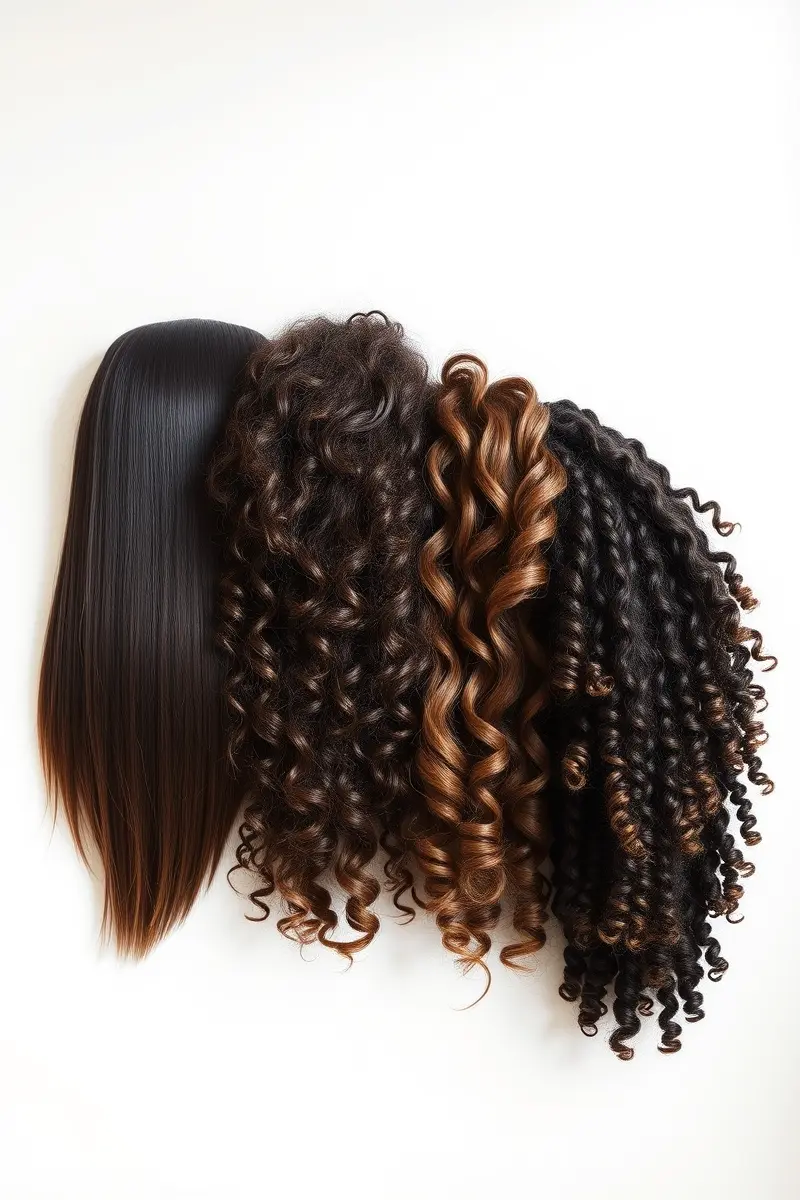
Knowing your hair type is crucial to great hair care. It’s the starting point for choosing the right products and creating a routine that works.
Fine hair and thick hair have different needs. I’ve seen fine hair become weighed down by heavy products, while thick hair can handle richer formulas.
Porosity affects how your hair absorbs products. Low porosity hair has a hard time absorbing moisture, while high porosity hair soaks it up quickly.
If you have fine hair with low porosity, using a lightweight, water-based product can help. On the other hand, thick hair with high porosity may need a more intense moisturizer.
Your hair type is not just about texture, it’s also about its natural curl pattern. Straight hair has different needs than curly or coily hair. Wavy hair falls somewhere in between, requiring a balanced approach to styling and care.
By understanding your hair’s specific needs, you can choose the right products and techniques to bring out its natural beauty.
Tip 2: Master the Art of Proper Washing
Proper washing is key to healthy hair. Shampoo should be applied directly to the scalp, massaging it in to loosen dirt and oil.
This helps to cleanse the hair shaft without stripping it of its natural oils. For most hair types, shampooing two to three times a week is sufficient, but this can vary depending on lifestyle and hair type. Those with oily hair may need to shampoo more frequently, while dry hair types can get away with less.
When it comes to conditioning, focus on the ends of your hair, where the cuticle is often more raised and prone to dryness. Leave the conditioner on for a minute or two before rinsing to allow it to penetrate the hair shaft.
After shampooing, your hair should feel clean, but not squeaky. If it does, it’s likely been stripped of its natural oils. The right balance is when your hair feels soft and manageable, with a subtle shine.
Tip 3: Incorporate Deep Conditioning & Masks

Deep conditioning treatments and hair masks are a game changer for hair care. They provide an intense dose of moisture and nourishment that regular conditioners can’t match.
Conditioners are designed to detangle and add shine, while masks penetrate deeper to repair and restore hair. Proteins like keratin and collagen help repair damaged hair, while hydrating agents like coconut oil and shea butter lock in moisture.
To get the most out of a hair mask, apply it to damp hair and leave it on for 15 to 30 minutes. For an intense treatment, leave it on overnight and rinse in the morning. When rinsing, use warm water to open up the hair cuticle, then follow with a cool rinse to seal it.
After a good mask treatment, hair feels softer and more manageable. Tangles come out easily and hair has a healthy bounce.
Regular deep conditioning treatments can even help reduce frizz and flyaways, leaving hair looking smooth and silky. With consistent use, hair becomes easier to style and looks healthier overall.
Tip 4: Embrace Gentle Drying Techniques
Air-drying is the way to go whenever possible. This method allows your hair to dry naturally, preserving its moisture and preventing breakage.
If you’re in a hurry, use a microfiber towel to gently blot excess water from your hair. Rubbing your hair vigorously with a regular towel can cause friction and lead to damage.
When air-drying isn’t an option, blow-drying on a lower heat setting is the next best thing. This reduces the risk of damage and helps prevent split ends.
For curly hair, using a diffuser is a must. It helps distribute heat evenly and enhances natural texture. Hold the dryer at a safe distance to prevent hot spots and excessive heat exposure.
Excessive heat can be disastrous for your hair, leading to irreversible damage and breakage. Be cautious when using heat styling tools and take steps to minimize their impact.
By embracing gentle drying techniques, you can keep your hair healthy and strong. This simple change can make a big difference in the long run, giving you the beautiful, vibrant locks you deserve.
Tip 5: Always Use Heat Protectant
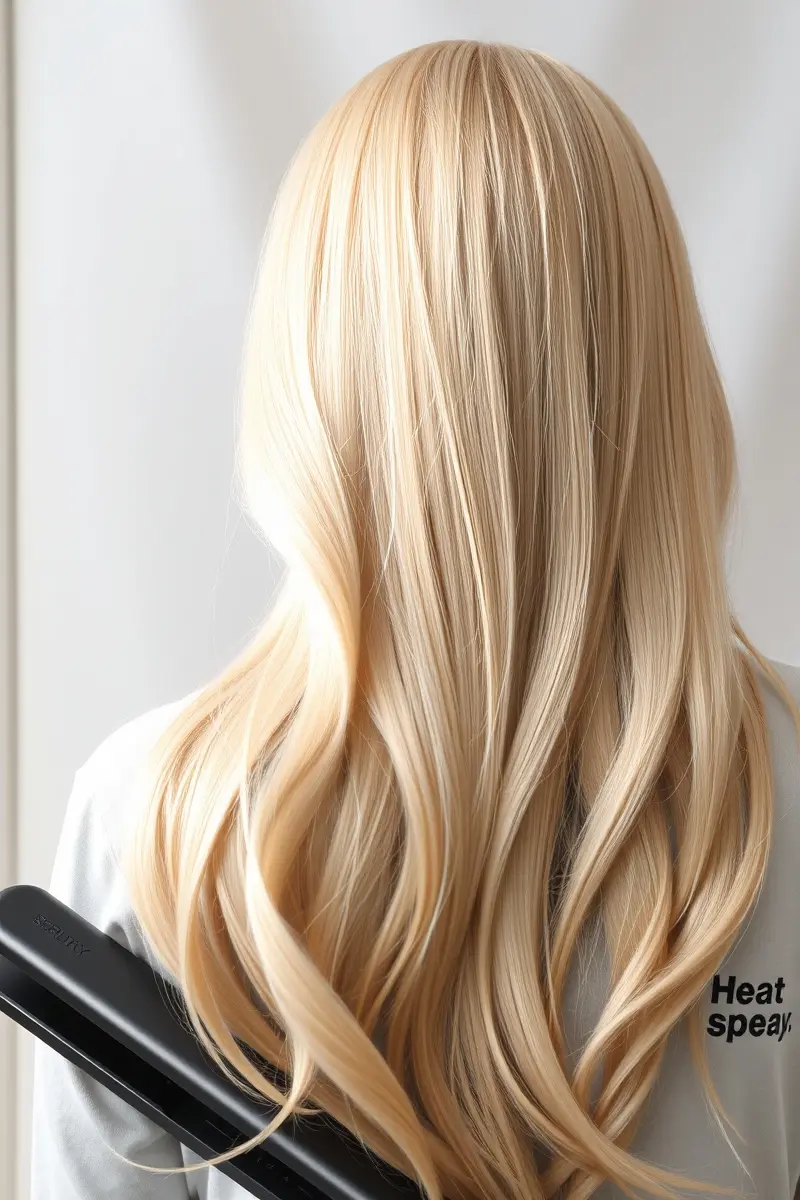
Applying heat protectant is a non-negotiable step in any hair care routine. This simple act creates a barrier between your hair and heat styling tools, minimizing damage to the hair cuticle. Without it, you risk causing serious damage, from dryness and brittleness to breakage and frizz.
The health of your hair plays a big role in how well it withstands heat styling, so results can vary greatly.
For example, if you have damaged or over-processed hair, using heat styling tools without a protectant can be disastrous.
Heat protectants work by coating the hair shaft, preventing moisture loss and reducing the risk of thermal damage. This helps lock in your hair’s natural moisture, leaving it looking shiny and healthy. Your hair will thank you for taking this extra step, especially if you’re a frequent user of blow dryers, straighteners, or curling irons.
The difference it makes is noticeable, and it’s a habit worth getting into if you want to keep your hair looking its best. By making heat protectant a part of your routine, you can enjoy the benefits of heat styling while keeping your hair strong and resilient.
Tip 6: Schedule Regular Trims
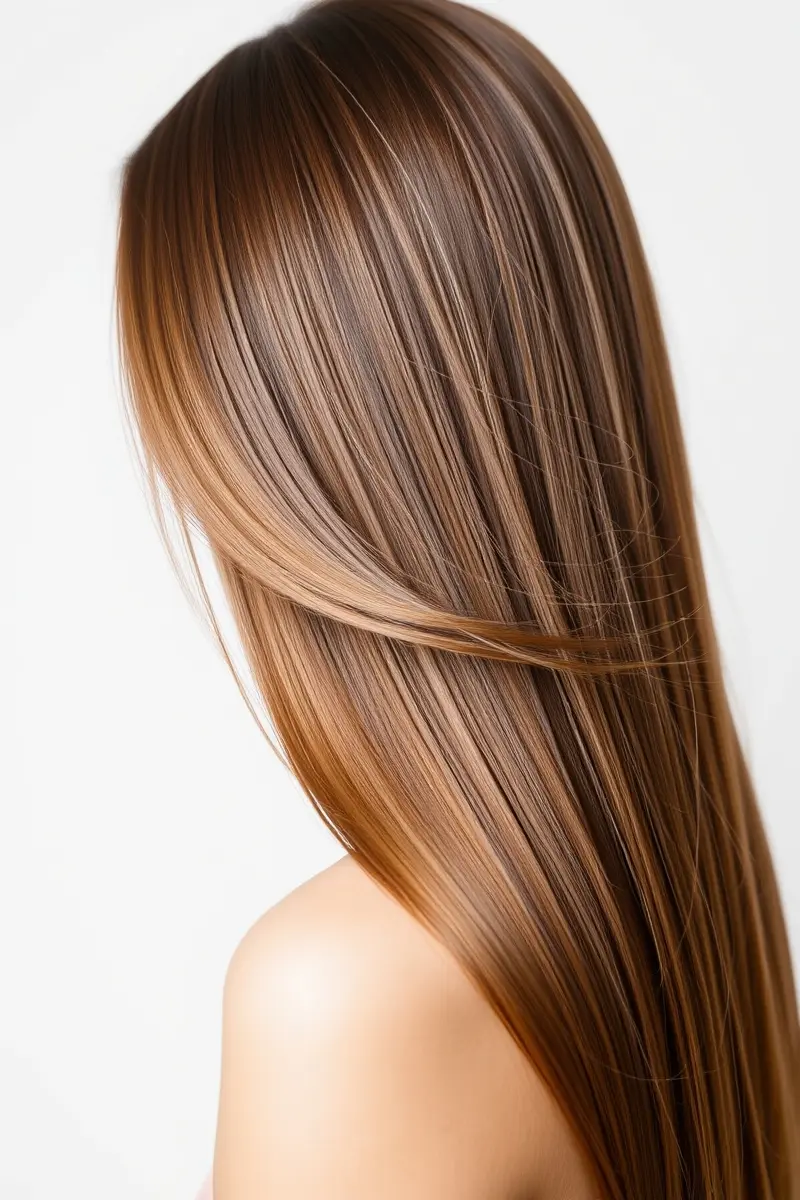
Regular trims are crucial for maintaining healthy hair. They prevent split ends from traveling up the hair shaft, which can lead to breakage and frizz. When you trim your hair, you’re removing the damaged ends, not the healthy length. This helps prevent further damage and keeps your hair looking shiny and vibrant.
A common myth is that trimming hair makes it grow faster. This is not entirely true. Trimming your hair does not affect its growth rate, which is determined by hormones and genetics. However, regular trims do promote the appearance of thicker hair by removing split ends and preventing breakage.
Split ends can travel up the hair shaft if left untrimmed, causing the hair to become brittle and prone to breakage. By trimming your hair regularly, you can prevent this from happening and keep your hair looking healthy and full. Schedule regular trims every six to eight weeks to keep your hair in top condition.
Tip 7: Nourish Your Hair from Within
A well-balanced diet is crucial for healthy hair. Biotin plays a significant role in hair growth, helping to strengthen hair follicles.
Protein is also essential, as it provides the building blocks for hair growth. Iron deficiency can lead to hair loss, so it’s vital to include iron-rich foods in your diet. Omega-3 fatty acids promote healthy hair growth by nourishing the scalp.
Eating foods rich in these nutrients can make a significant difference in the health of your hair. I’ve seen it firsthand, after making consistent dietary changes, hair becomes shinier and stronger.
A diet lacking essential nutrients can lead to dull, brittle hair. Drinking plenty of water is also vital, as it helps to keep your hair follicles healthy and promote hair growth.
Key nutrients are not just good for your overall health, but also for your hair. Foods like salmon, walnuts, and spinach are all rich in omega-3 fatty acids and iron.
Including these foods in your diet can help to promote healthy hair growth. A healthy diet and proper hydration can work wonders for your hair, leaving it looking healthier and more vibrant.
Tip 8: Practice Mindful Brushing
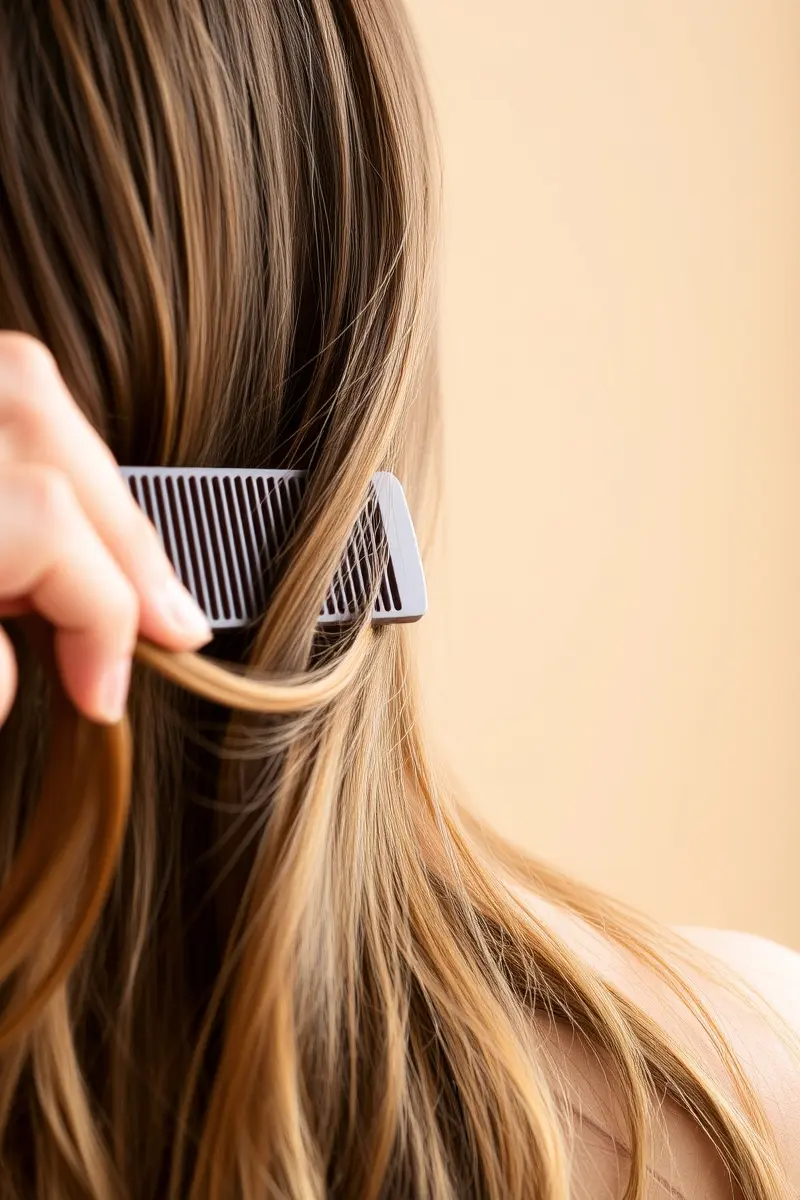
Brushing your hair can be a delicate process, especially when it’s wet. Start by using a wide-tooth comb or a detangling brush, which are designed to minimize breakage.
Begin at the ends of your hair, gently working out tangles as you go. This approach helps prevent snagging and pulling, which can lead to damage. As you brush, focus on being gentle, taking your time to tease out knots.
When you brush from the ends up, you’re able to address tangles in a more controlled way. This mindful approach to brushing can make a big difference in the health of your hair.
By taking a few extra seconds to brush with care, you can help prevent split ends and breakage. Gentle detangling is key to keeping your hair strong and resilient.
Working from the ends up also helps distribute your hair’s natural oils more evenly, leaving it looking healthier and shinier. With a little practice, mindful brushing becomes second nature, and your hair will thank you.
Tip 9: Prioritize Scalp Health
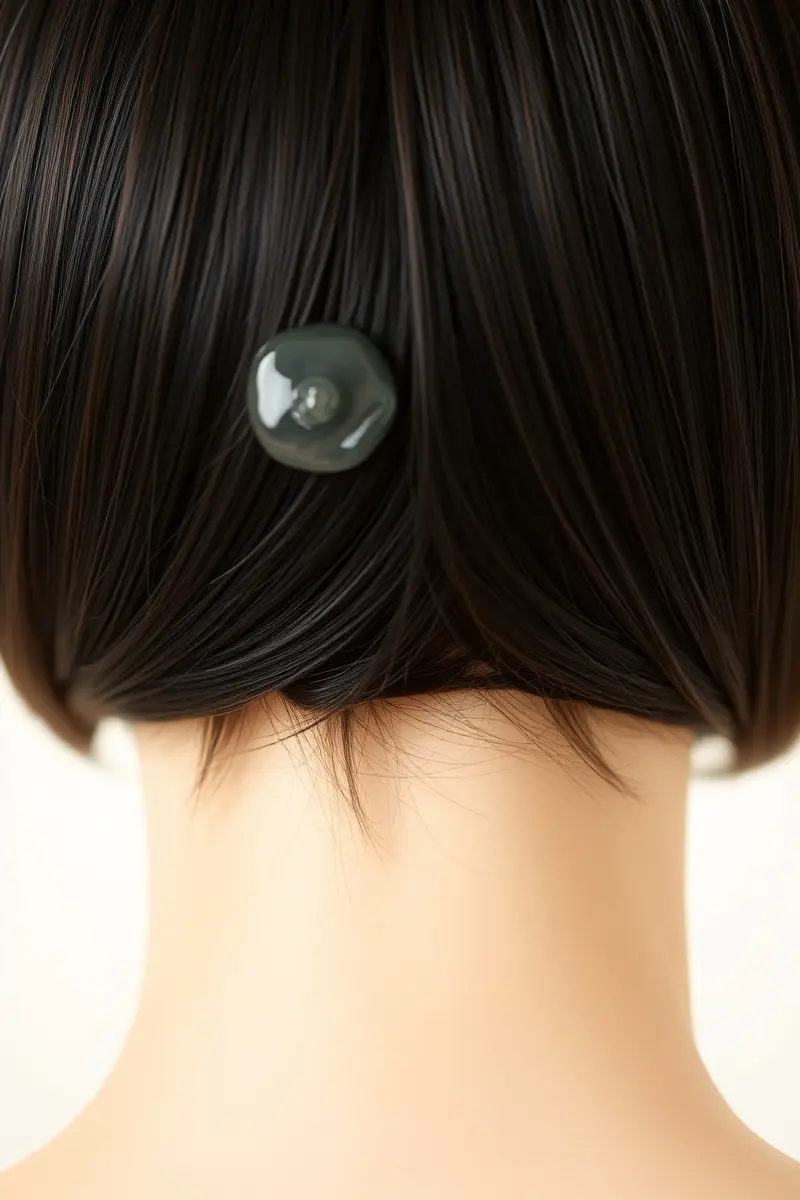
A healthy scalp is the base for gorgeous, thriving hair. Regular scalp massages boost blood flow, which helps deliver nutrients to hair follicles. Gentle exfoliation is also key, as it removes buildup that can clog pores and slow down hair growth.
Scalp-specific treatments can be a game-changer, so look for products containing ingredients like tea tree oil or salicylic acid. These help balance scalp oils and prevent conditions like dandruff or excessive oiliness.
To keep your scalp in check, try massaging it for a few minutes each day, focusing on areas where you tend to get buildup. Use a gentle scrub or a chemical exfoliant once a week to remove dead skin cells and product residue.
Balancing your scalp’s natural oils is crucial, so avoid over-washing or using harsh products that strip your scalp of its natural moisture. By taking care of your scalp, you’ll be on your way to stronger, healthier hair that looks and feels amazing.
Tip 10: Choose the Right Products
To get the best out of your hair care routine, you need to choose the right products. Start by reading the labels on your shampoos, conditioners, and styling products. Look for sulfates if you have oily hair, as they can help remove excess oil. However, if you have dry or damaged hair, opt for sulfate-free products to preserve moisture.
Parabens are another ingredient to watch out for, as they can cause irritation and dryness in some hair types. Silicones can help smooth and protect hair, but they can also weigh it down and cause buildup.
For color-treated hair, look for products with color-protecting ingredients. If you have curly hair, choose products with moisturizing ingredients to help define curls.
Some ingredients are beneficial for specific hair concerns, such as keratin for damaged hair or tea tree oil for scalp issues.
When in doubt, do a patch test to see how your hair reacts to a new product. This simple step can save you from a hair disaster.
By being mindful of the ingredients in your hair care products, you can find the perfect match for your hair type and concerns.
Tip 11: Protect Your Hair While You Sleep

Sleeping on cotton pillowcases can cause friction that leads to breakage and tangles. Switch to silk or satin pillowcases to reduce this friction.
Loosely braiding your hair before bed is another great way to minimize tangles. You can also wear a silk bonnet to protect your hair while you sleep. This simple change can make a big difference. You’ll wake up with less frizz and fewer tangles.
Your hair will be smoother and more manageable. Reduced friction means less damage and less breakage. Try it out and see the difference for yourself.
You’ll love having healthier, more manageable hair. Silk or satin pillowcases and loose braids are easy ways to start protecting your hair tonight.
Tip 12: Limit Chemical Treatments & Heat Styling
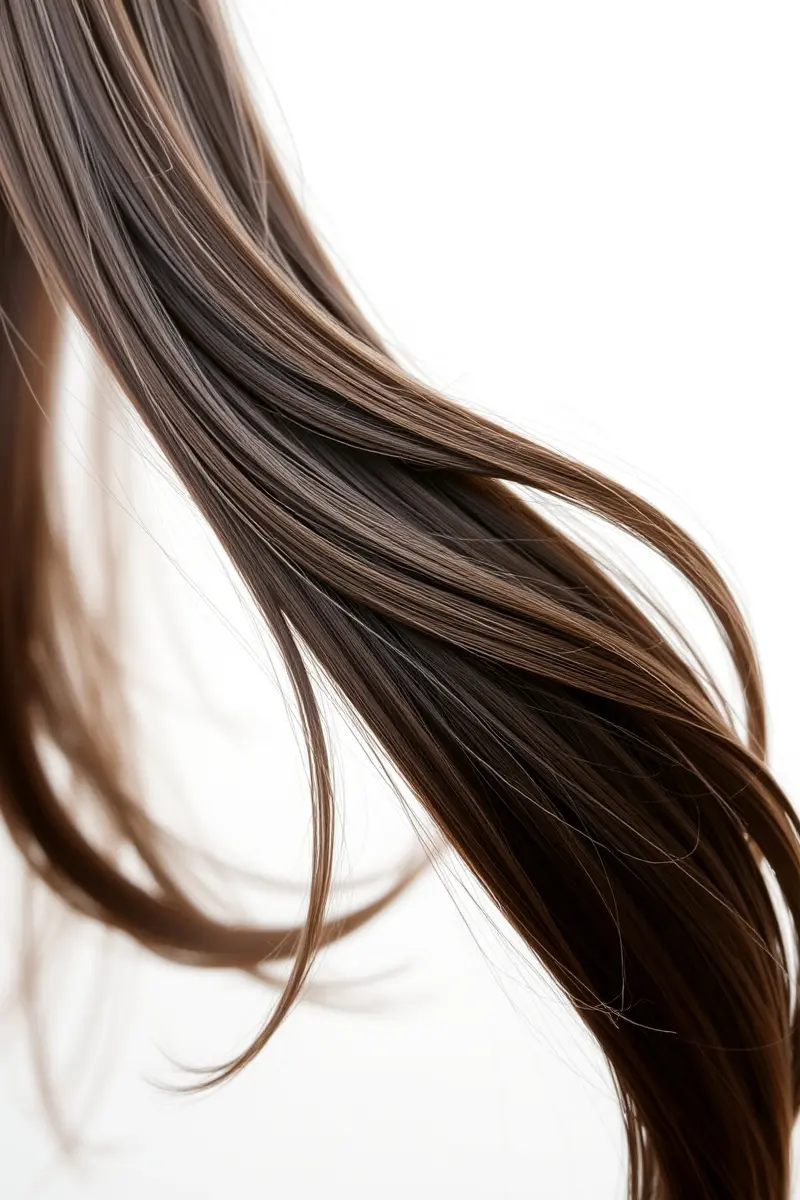
Frequent chemical treatments can wreak havoc on your hair. Coloring, perms, and relaxers all alter the hair’s chemical bonds, weakening its structure. This can lead to severe breakage if you’re not careful. When you undergo these treatments, the chemical process breaks down the hair’s cuticle layer, causing it to lift and expose the inner cortex.
If you’re someone who frequently colors or perms your hair, it’s essential to give your locks a break. Consult a professional stylist to determine the best course of treatment for your hair type.
They can help you create a personalized plan that includes extended breaks between treatments. Heat styling is also a major culprit when it comes to hair damage. Excessive heat can cause the hair’s chemical bonds to degrade, leading to brittle, fragile strands.
To minimize damage, try to limit your use of heat styling tools or use a heat protectant spray to help shield your hair from the heat. By being mindful of these potential dangers and taking steps to mitigate them, you can keep your hair strong and healthy.
Regular trims and deep conditioning treatments can also help to repair and restore damaged hair. By taking a proactive approach to hair care, you can enjoy the styles you want without sacrificing the health of your hair.
Time To Achieve Your Hair Goals
To keep your hair looking its best, remember to use a wide-tooth comb, reduce heat styling, and get regular trims. Save this guide for your next hair care routine and share it with a friend who needs a hair transformation.
Frequently Asked Questions
How often should I wash my hair?
The ideal washing frequency depends on your hair type, scalp oiliness, and activity level. Generally, oily hair types might need washing every 1-2 days, while dry or curly hair can go 3-4 days or even longer. Listen to your hair and scalp’s needs.
What are common mistakes to avoid in a hair care routine?
Common mistakes include over-washing, using too much heat without protection, harsh towel drying, vigorous brushing of wet hair, neglecting scalp health, and using products not suited for your hair type.
Can diet truly affect my hair’s health?
Absolutely. A balanced diet rich in proteins, vitamins (especially A, C, D, E, and B vitamins like biotin), iron, and omega-3 fatty acids is crucial for healthy hair growth and strength. Poor nutrition can lead to dull, brittle hair or even hair loss.
How can I prevent hair breakage?
To prevent breakage, use gentle hair ties, brush hair from the ends up, avoid excessive heat, use heat protectant, keep hair moisturized with conditioners and masks, and protect it while sleeping with silk pillowcases or bonnets.
When should I see a professional for hair concerns?
If you’re experiencing severe hair loss, sudden changes in hair texture, persistent scalp issues like extreme dryness or oiliness, or suspect a medical condition affecting your hair, it’s best to consult a dermatologist or a trichologist.