The Ultimate Guide to Knotless Braids: Everything You Need to Know
Have you ever wondered how to achieve the perfect knotless braids? With their seamless, knot-free finish, it’s no wonder this style has become a staple in the world of braiding. But before you can master the look, you need to understand the basics. This article will delve into the world of knotless braids, exploring what they are, how to create them, and the best techniques for maintaining this stunning style.
What Exactly Are Knotless Braids?
Knotless braids are a type of braid where the hair is fed into the natural hair gradually. This technique is often referred to as the feed-in method. Unlike traditional box braids, which involve creating a knot at the root, knotless braids do not have this knot.
The braid is started with a small amount of hair and then more hair is added as the braid progresses. This method allows for a more natural look and feel. The absence of a knot at the root means there is less tension on the hair.
From day one, the hairline looks more natural. I’ve seen this firsthand, with clients who’ve switched from traditional box braids to knotless braids noticing a huge difference in comfort and appearance. The feed-in method also helps to prevent the hairline from becoming too tight or puckered.
Overall, knotless braids offer a more comfortable and natural-looking alternative to traditional braiding methods. The end result is a braid that looks and feels like it’s a part of your own hair. This makes knotless braids a great option for those who want a braided style without the tension and discomfort often associated with traditional braids.
The Key Benefits of Choosing Knotless Braids
Knotless braids offer a world of benefits for your hair. They put less tension on your scalp, which is a huge plus. This reduced tension means your hair is less likely to break or fall out. The result is a more natural look that lies flat against your head. You also get more styling options with knotless braids, from sleek and polished to bohemian and undone.
A major advantage of knotless braids is their ability to blend seamlessly with your natural hair. This creates a more realistic and effortless look. While knotless braids are generally gentler on your hair, it’s still possible to run into issues if they’re not installed or maintained properly. That’s why it’s crucial to find a stylist you trust.
Understanding the Knotless Braid Installation Process
When you sit down for a knotless braid installation, your stylist will start by prepping your hair. This involves washing and conditioning to ensure your hair is clean and moisturized. A leave-in conditioner or hair serum may be applied to help with manageability.
Your stylist will then section your hair, typically starting from the crown. The number of sections depends on the style you’re going for and the thickness of your hair.
Braiding hair is then fed in, and the stylist will gently begin to braid, working their way down each section. The technique involves feeding in small sections of hair at a time, which helps to prevent tension and discomfort.
The time it takes to install knotless braids can vary greatly, depending on the length and size of your braids. On average, it can take anywhere from a few hours to a full day. Your stylist will likely use a combination of braiding hair, hair clips, and a rat-tail comb to achieve the desired look.
Some stylists may also use a special braiding needle or thread to help secure the braids in place. The key to a successful knotless braid installation is patience and attention to detail. Your stylist will work carefully to ensure that each braid is secure and even, resulting in a beautiful and long-lasting style.
Hair Preparation & Care Before Your Appointment
To get the best results from your knotless braids, start by washing your hair with a clarifying shampoo to remove product buildup. This helps your stylist work with a clean slate. Deep conditioning is also crucial, as it moisturizes and softens your hair, making it more manageable during the braiding process.
Detangling is a must, and it’s best done in sections while your hair is still damp. Use a wide-tooth comb or a detangling brush to gently work out knots, starting from the ends and working your way up.
Properly prepped hair feels soft and pliable, with minimal tangles and knots. When you run your fingers through your hair, it should glide smoothly, without catching on rough patches. In contrast, unprepared hair can feel dry and brittle, leading to breakage and frustration during the installation process.
To avoid this, take the time to stretch your hair, either by blow-drying it on a low setting or using a hair stretcher. This helps to reduce shrinkage and makes the braiding process easier. Moisturizing your hair and scalp is also essential, as it keeps your hair healthy and strong.
Apply a leave-in conditioner or hair oil to lock in moisture, and gently massage your scalp to stimulate blood flow. With properly prepped hair, your knotless braids will not only look great, but they’ll also be easier to install and maintain.
Maintaining Your Knotless Braids for Longevity and Health
To keep your knotless braids looking fresh and your natural hair healthy, regular scalp oiling is essential. Use a lightweight oil that won’t weigh your hair down. Apply it directly to your scalp, massaging it in to increase blood flow. This helps reduce itchiness and flakiness. Moisturizing your braids is also crucial, use a leave-in conditioner or a braid spray to keep them soft and manageable.
When it comes to washing your knotless braids, be gentle. Use a sulfate-free shampoo and avoid scrubbing your scalp too hard. Instead, massage your scalp in circular motions. Rinse your braids thoroughly and apply a deep conditioning treatment to lock in moisture. Gently blot excess water with a microfiber towel, don’t rub your braids with a regular towel as this can cause friction and lead to breakage.
At night, sleep on a satin pillowcase to reduce frizz and prevent your braids from getting tangled. You can also use a silk scarf to wrap your braids, this helps keep them in place and prevents moisture loss. Avoid over-washing your braids, this can lead to hygral fatigue, causing your hair to become weak and brittle. Use a wide-tooth comb or your fingers to detangle your braids, starting from the ends and working your way up.
Exploring Popular Knotless Braid Styles & Variations
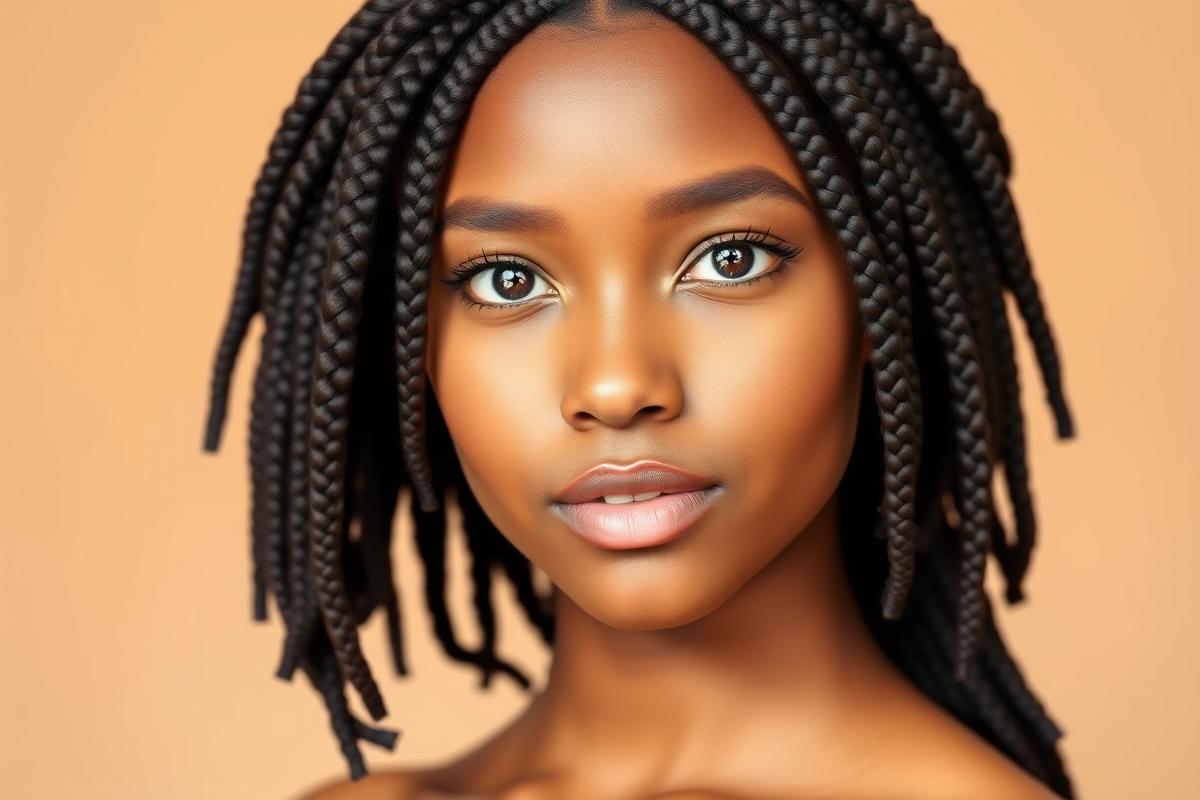
Knotless braids offer a world of styling possibilities. You can opt for micro braids that create a delicate, intricate look or go for jumbo braids that make a bold statement. Medium braids are also a great option, suitable for everyday wear. When it comes to length, the choices are just as varied. A bob-length braid can frame your face beautifully, while waist-length or butt-length braids can add a touch of drama to your overall look.
Color can be incorporated into your knotless braids to add an extra layer of visual interest. You can use subtle, natural-looking highlights or go for bold, bright colors to create a unique look. Consider your hair type and desired look when choosing a style. For example, if you have fine hair, micro braids may be a better option, as they can help distribute the weight of the hair more evenly. If you have a round face, a longer braid can help elongate your features, while a square face can pull off a shorter, chunkier braid.
The right knotless braid style can also depend on the occasion. For a special event, you may want to opt for a more intricate, glamorous look, such as a waist-length braid with subtle highlights. For everyday wear, a simpler, more understated style may be more suitable. Ultimately, the key to pulling off a great knotless braid is to find a style that complements your features and makes you feel confident and beautiful.
Knotless Braids: Debunking Common Myths
Knotless braids have gained popularity for their reduced bulk and perceived gentleness on hair. However, some myths surrounding them can be misleading. The idea that knotless braids make your hair grow faster is not entirely accurate. Hair growth is influenced by genetics, nutrition, and overall hair health, not by the style itself.
A common misconception is that knotless braids are completely damage-free, which is not true. While they can be a lower-risk option compared to traditional box braids, improper installation can still lead to breakage and hair loss. The key to minimizing damage is proper technique and a skilled hand. Even with knotless braids, if the tension is too tight, it can cause strain on the hair and scalp.
To truly benefit from knotless braids, it’s essential to have them installed by an experienced stylist who understands how to work with your hair type and texture. This ensures that the braids are not too tight, which can help prevent hair loss and discomfort. With the right technique and care, knotless braids can be a beautiful and relatively low-maintenance style, but trust is crucial in this process. You need to trust that your stylist knows what they’re doing to avoid unnecessary tension and potential damage.
When to Remove Your Braids and Aftercare Tips
Knotless braids can be worn for several weeks, but the optimal duration is usually four to six weeks. Signs that it’s time for removal include visible hair growth, itchiness, and braids starting to loosen. If you experience discomfort or pain, it’s definitely time to take them out. A gentle removal process is crucial to prevent breakage and frizz. Start by applying a generous amount of conditioner or hair oil to the braids, then carefully unravel them from the ends, working your way up.
When removing knotless braids, be patient and take your time. If you’re not familiar with the removal process or have particularly delicate hair, consider having a professional do it for you. After removal, your hair will likely be dry and fragile. Deep conditioning is essential to restore moisture and nourishment. Use a deep conditioning treatment and leave it on for at least 30 minutes. Follow up with a moisturizing routine, including a leave-in conditioner and a hair mask once a week. This will help to keep your hair healthy and strong after wearing knotless braids.
Now That You Know
With this ultimate guide to knotless braids, you’re now equipped with the knowledge to create and maintain this gorgeous style. Remember to start with the right hair type and tools, and don’t be afraid to practice and experiment with different techniques. Whether you’re a seasoned pro or a braiding newbie, knotless braids are a great way to add some edge to your look. So why not give it a try and see what works best for you?
Frequently Asked Questions
How long do knotless braids typically last?
Knotless braids can last anywhere from 4 to 8 weeks, depending on the size of the braids, your hair type, and how well you maintain them. Smaller braids tend to last longer, while proper nightly care and moisture retention are key for longevity.
Are knotless braids suitable for all hair types?
Yes, knotless braids are generally suitable for most hair types, especially those with textured hair. The feed-in technique reduces tension, making them a gentler option. However, the installation technique must be adjusted based on hair density and texture to prevent damage.
Can I wash my hair while wearing knotless braids?
Yes, you can and should wash your hair while wearing knotless braids to maintain scalp health and cleanliness. Focus on gently cleansing the scalp with a diluted shampoo and rinsing thoroughly. Follow up with a leave-in conditioner or light oil to moisturize.
What is the main difference between knotless and traditional box braids?
The main difference lies in the starting technique. Traditional box braids begin with a knot at the root, which can cause tension and breakage. Knotless braids involve ‘feeding in’ the braiding hair gradually from the root, creating a seamless, flatter, and less tension-inducing base.
Do knotless braids damage your hair?
When installed correctly by a skilled stylist and properly maintained, knotless braids are considered a protective style that minimizes damage. However, if installed too tightly, left in for too long, or removed improperly, damage can still occur. Always prioritize healthy hair practices.