The Ultimate Guide to Crochet Hair: Everything You Need to Know
This comprehensive guide will walk you through the ins and outs of crochet hair, covering topics from installation to maintenance, and everything in between, tailored for various hair types, including fine, thick, curly, and color-treated hair.
Understanding Crochet Hair: Definition and Key Benefits
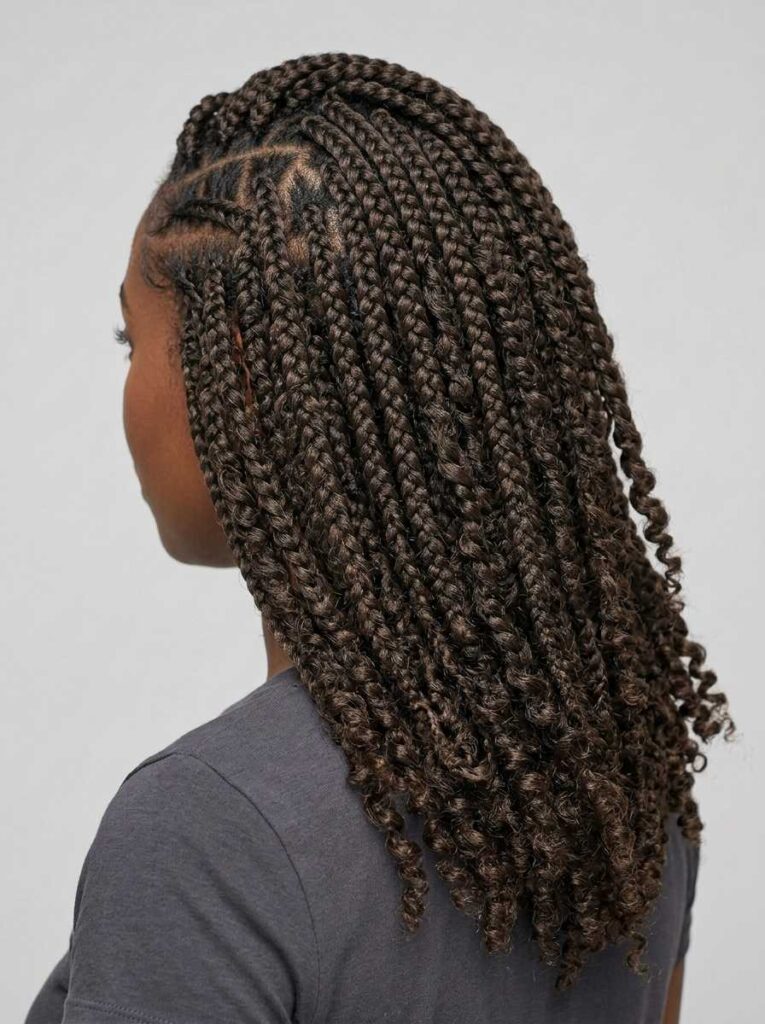
Crochet hair is a technique where extensions are looped into a cornrowed or braided base. This method involves using a crochet hook to pick up the hair and loop the extension through, creating a secure and natural-looking attachment.
The looping method is a game-changer for those with fragile hair, as it doesn’t require glue, heat, or tight braiding.This style offers incredible versatility, allowing you to achieve various looks with different extension types and colors.
Whether you prefer box braids, Senegalese twists, or straight hair, crochet hair has got you covered. The installation process is also remarkably quick, with most applications taking a fraction of the time compared to traditional extension methods.
As a protective style, crochet hair excels at minimizing hair manipulation and tension. By braiding or cornrowing your natural hair and then looping in the extensions, you’re able to give your hair a much-needed break from daily styling and tension.
This makes it an excellent option for those with damaged or fragile hair, as well as for anyone looking for a low-maintenance style. The key to a successful crochet hair installation lies in the quality of the braided base and the gentle looping of the extensions, ensuring a comfortable and secure fit.
The Versatility of Crochet Hair: Exploring Different Styles
Crochet hair offers endless possibilities for styling. Box braids are a classic choice, with their sleek, uniform texture. Senegalese twists add a twist, literally, with their rope-like texture.
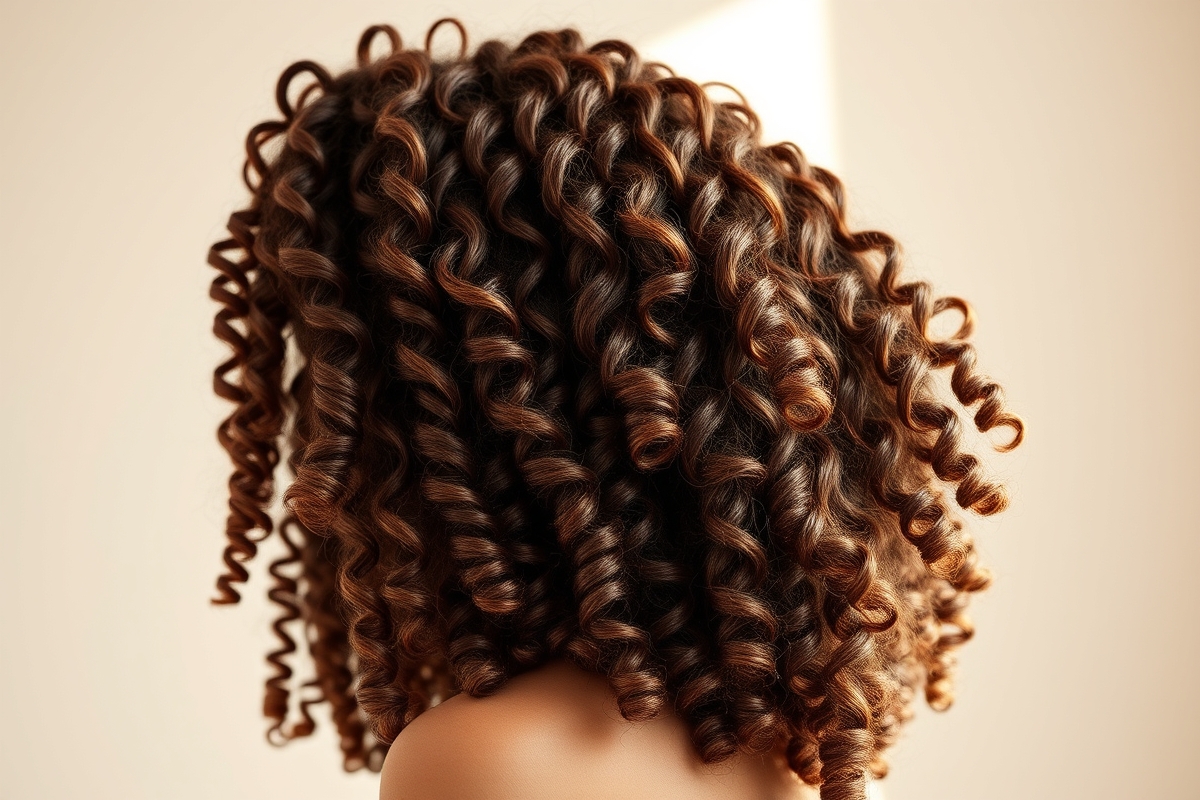
Faux locs come in various forms, such as distressed locs for a bohemian look or goddess locs for a more polished appearance. Loose textures like deep wave, curly, or straight hair can add volume and movement to your style.
The type of extension used greatly affects the overall look. Synthetic extensions are great for achieving a more uniform texture, while human hair extensions provide a more natural look. The weight and flexibility of the extension also play a role. For example, a lightweight extension is ideal for a loose, curly style, while a heavier extension is better suited for a braided or twisted look.
With crochet hair, you can achieve a wide range of styles, from a sleek, low bun to a voluminous, curly afro. The key is to experiment with different extension types and styling techniques to find what works best for you.
Whether you want a bold, statement-making look or a more understated, everyday style, crochet hair provides the creative freedom to achieve it. Different textures and styles can be mixed and matched to create a unique look that reflects your personality.
A Glimpse into the Crochet Installation Process
The foundation of a great crochet hair style starts with cornrows or braids that are meticulously done. These braids serve as the base that the crochet extensions will be attached to. A proper base is crucial because it provides a secure anchor for the extensions and helps to prevent them from coming loose over time.
Proper tension is key when it comes to the foundation braids. If the braids are too tight, they can be uncomfortable and even cause hair loss. On the other hand, if they are too loose, the extensions may not stay in place. Neatness is also essential, as sloppy braids can lead to a messy and uneven finish.
Once the foundation is in place, a crochet needle is used to loop and knot the extensions through the braids. This technique allows for a natural and seamless blend of the extensions with the natural hair.
The result is a full and vibrant style that can be worn in a variety of ways. With a solid foundation and expert installation, crochet hair can be a beautiful and long-lasting solution for women looking to add some extra flair to their hairstyle.
Essential Tips for Maintaining Your Crochet Hairstyle
To keep your crochet hair looking its best, gentle washing is key. Use a mild shampoo and lukewarm water to prevent dryness and damage. When washing, focus on the scalp, working your way down to the hair. This helps prevent tangling and matting.
Moisturizing your scalp is also crucial, as dryness can lead to itchiness and irritation. Use a scalp serum or oil to keep the area hydrated and healthy. For sleeping, use a satin bonnet or scarf to reduce frizz and prevent breakage. This simple step can make a big difference in the longevity of your crochet hair.
To prevent frizz and tangling, use a wide-tooth comb or your fingers to gently detangle your hair, starting from the ends and working your way up. For curly or wavy crochet textures, use a sulfate-free shampoo and a leave-in conditioner to define curls and reduce frizz.
For straighter textures, use a lightweight hair serum to add shine and protect the hair from heat damage. Regularly trimming the ends of your crochet hair can also help prevent split ends and breakage.
Common Myths and Truths About Crochet Hair
Crochet hair gets a bad rap, with some claiming it damages natural hair. This couldn’t be further from the truth. When installed correctly, crochet hair can be a great protective style. The key is proper installation, which involves braiding the natural hair in a way that doesn’t put too much tension on the scalp or hair follicles.
A common myth is that crochet hair is heavy, but this is usually due to improper installation or using too much hair. When done right, the weight is evenly distributed, making it comfortable to wear.
Another misconception is that crochet hair has limited styling options. This is not true, as you can style crochet hair in many ways, from updos to down styles, and even accessorize with hats or headbands.
Proper maintenance is also crucial to avoid damage. This includes gently washing and conditioning the hair, as well as avoiding excessive heat styling. By following these guidelines, you can enjoy the benefits of crochet hair without compromising the health of your natural hair.
With the right installation and care, crochet hair can be a beautiful and versatile option for anyone looking to try a new style. It’s all about taking the time to do it right and being gentle with your hair.
Choosing the Best Crochet Hair for Your Needs
When it comes to crochet hair, selecting the right type is crucial. Synthetic options are generally more affordable and come in a wide range of colors. However, they can be prone to tangling and may not be as durable as human-blend options. Human-blend crochet hair, on the other hand, offers a more natural look and feel, but it can be more expensive.
To choose the right texture, consider your desired style. If you want a sleek, straight look, a smoother texture is best. For a more voluminous, curly style, a textured or kinky option is better. Length is also important, as it can greatly impact the overall look. Shorter lengths are great for adding volume, while longer lengths can create a more dramatic effect.
Your natural hair type and lifestyle should also be considered. If you have fragile hair, a lighter weight crochet hair may be more suitable. If you’re active or prefer a low-maintenance style, a synthetic option may be better.
Budget is also a factor, as human-blend options can be more expensive. Ultimately, it’s about finding a balance between your desired look, lifestyle, and budget. By considering these factors, you can find the perfect crochet hair to suit your needs.
Now That You Know
With this ultimate guide to crochet hair, you’re now equipped with the knowledge to make informed decisions about your hairstyle. Remember, the key to successful crochet hair is proper installation and regular maintenance. Take the first step today by consulting with a professional stylist or practicing your crochet skills, and don’t forget to save this guide for future reference or share it with a friend who’s considering a crochet hairstyle.
Frequently Asked Questions
How long does crochet hair typically last?
Crochet hair can last anywhere from 4 to 8 weeks, depending on the hair type used, the quality of installation, and how well it is maintained. Regular cleansing and proper nighttime routines can extend its wear.
Can I wash my hair while wearing crochet braids?
Yes, you can and should wash your scalp and hair while wearing crochet braids. Focus on cleansing the scalp with a diluted shampoo or dry shampoo, and lightly rinse the braids themselves. Ensure thorough drying to prevent mildew.
Does crochet hair damage natural hair?
When installed and removed correctly by an experienced stylist, crochet hair is considered a protective style that does not damage natural hair. Damage typically occurs due to excessive tension, improper care, or rough removal. TRUST that professional installation minimizes risks.
What kind of hair is commonly used for crochet styles?
A wide variety of synthetic and human-blend hair types are used for crochet, including pre-braided, pre-twisted, faux locs, and loose curl patterns. The choice depends on the desired style and longevity, with synthetic options being more common and affordable.
How do you safely remove crochet hair?
To safely remove crochet hair, carefully locate the knots where the extensions are looped into your natural hair. Use small scissors to cut the extension hair above the knot, being extremely careful not to cut your natural hair. Unravel your cornrows gently afterwards, moisturizing as you go. EXPERTISE in removal prevents breakage.