Understanding the Taper Fade: Your Ultimate Guide to This Classic Haircut
The taper fade is a timeless haircut that exudes elegance and sophistication. But what makes this style so enduring, and how can you achieve it? This article will delve into the world of taper fades, exploring their history, benefits, and maintenance tips, giving you a comprehensive understanding of this classic haircut.
What Exactly is a Taper Fade?
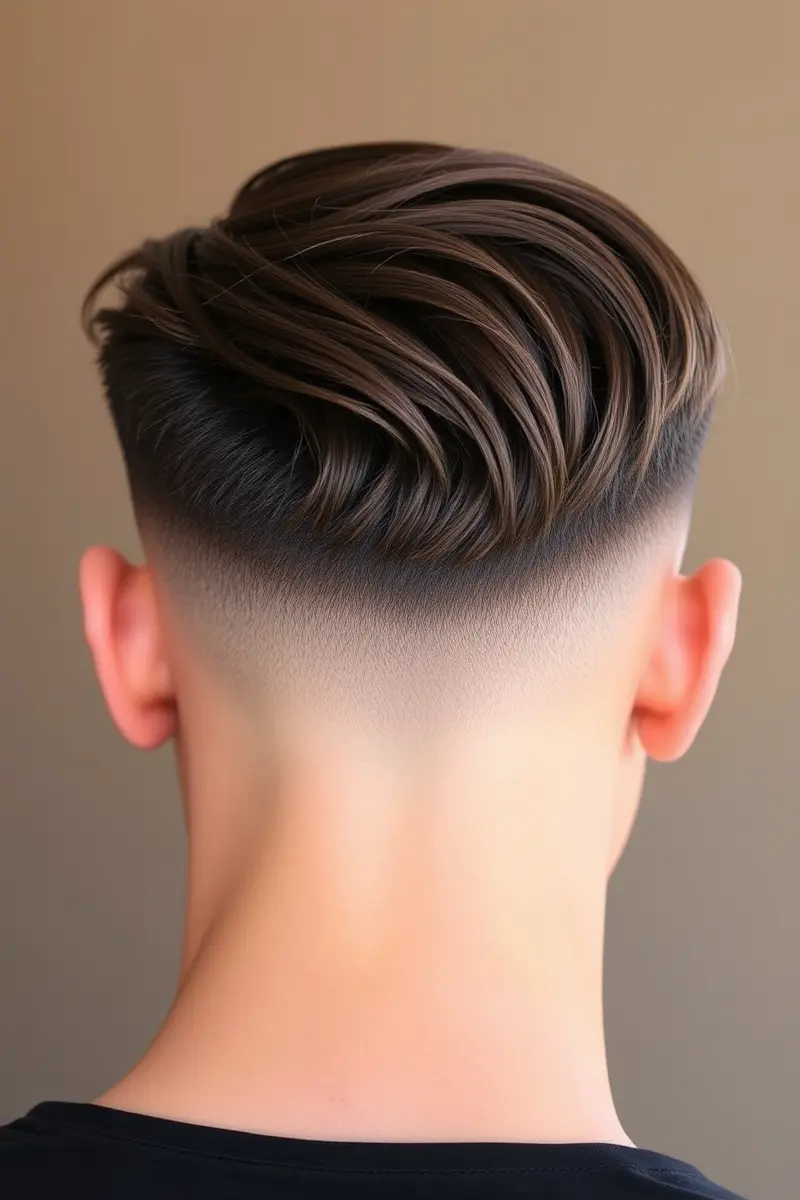
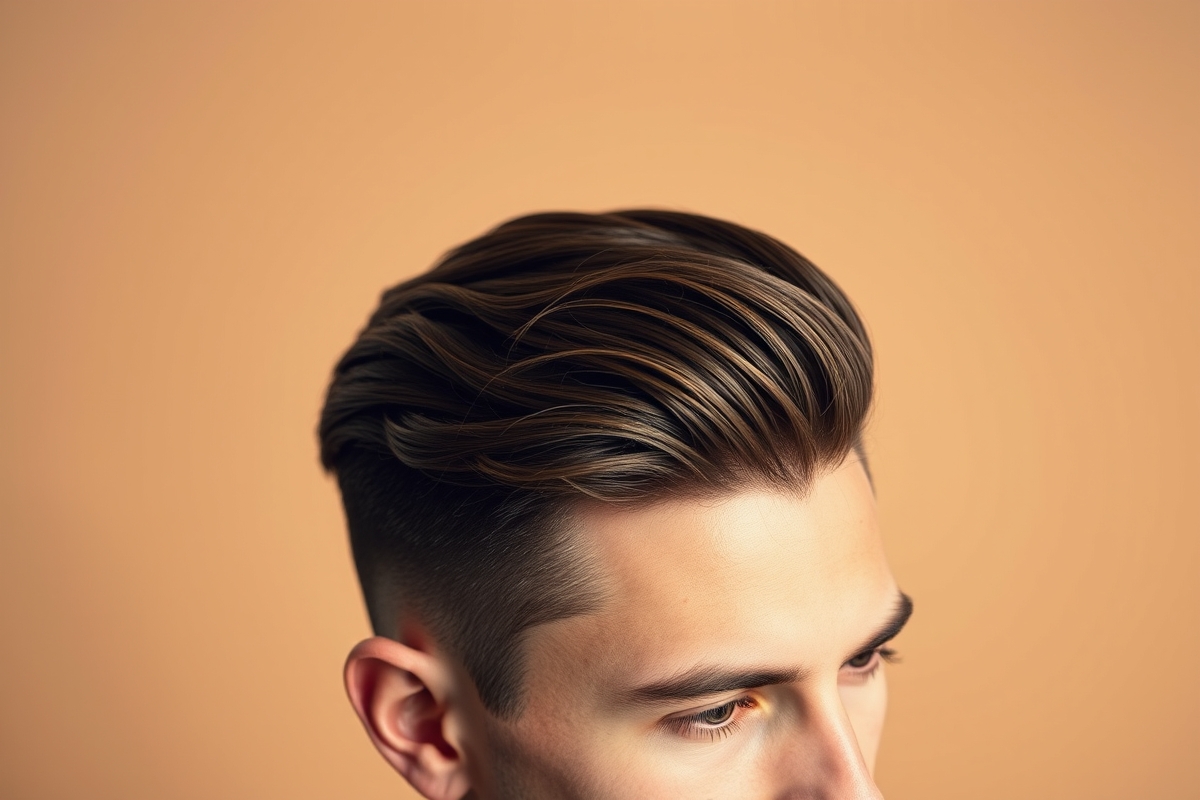
A taper fade is a classic haircut characterized by a seamless blend of hair lengths, from longer at the top to shorter at the sides and back. This gradual reduction in length creates a smooth, clean gradient that is both stylish and timeless.
The key to a great taper fade is the transition, which should be subtle and even, with no harsh lines or noticeable edges.
The hair length decreases gradually, creating a natural-looking flow from top to bottom. The skin is not exposed, making it a great option for those who want a fade without the extreme contrast. A skilled stylist can craft a taper fade to suit any face shape or hair type, making it a versatile and popular choice.
The blend of lengths should be so smooth that it’s almost imperceptible, creating a sophisticated and polished look. When done correctly, the taper fade is a haircut that exudes confidence and style, making it a great choice for anyone looking for a classic, low-maintenance look.
The taper fade can be paired with a variety of styles, from sleek and straight to messy and textured, making it a great option for those who like to mix things up. With its clean lines and seamless blend, the taper fade is a haircut that will always be in style.
Taper vs. Fade: Unpacking the Nuances
A taper and a fade are often used interchangeably, but they have distinct differences. A taper maintains a natural hairline and gradually shortens the hair, creating a seamless transition from hair to scalp. This technique requires precision to avoid visible lines.
Barbers use specialized scissors and clippers to achieve a taper, working in small increments to blend the hair lengths. The endpoint of a taper is typically where the hair starts to curve around the ears and back of the neck. In contrast, a fade goes down to the skin, with no visible hairline.
To execute a fade, barbers use clippers with no guard attachment, essentially shaving the hair close to the skin. The endpoint of a fade can be high, medium, or low, depending on the desired style. Understanding the nuances between these two techniques is crucial for barbers, as it requires technical skill and attention to detail.
A taper creates a more subtle, natural look, while a fade produces a bolder, more dramatic effect. The key to distinguishing between the two is the length of the hair at the endpoint. While both techniques can be stylish, they serve different purposes and require unique expertise to pull off effectively.
Exploring Popular Taper Fade Styles
The low taper fade starts at the temples and ends at the ears, creating a subtle transition from hair to skin. This style looks great on guys with square jawlines, as it accentuates their facial features. On the other hand, the mid taper fade begins higher up, around the temples and sides, and ends near the crown. I’ve seen this style work well on oval-shaped heads, as it adds a touch of sophistication.
The high taper fade is more dramatic, starting at the forehead and ending at the crown. This style can make round faces appear longer, which is a great bonus. The temple fade is similar, but the fade starts at the temples and curves around the head, creating a defined edge. Guys with curly hair can pull off this style, as it adds a cool contrast to their texture.
The drop fade is the most extreme, starting at the back of the head and dropping down to the neck. This style can make thicker hair appear more balanced. When deciding on a fade level, consider your face shape and hair density. If you have a strong jawline, a lower fade might suit you. If you have a round face, a higher fade can create a slimming effect. Ultimately, the key to pulling off a taper fade is to find a balance between your hair and facial features.
Is a Taper Fade Right for You? Hair Type & Face Shape Considerations
When it comes to pulling off a taper fade, your hair type plays a significant role. Straight hair is usually the most forgiving, as it lies flat against the head, creating a seamless blend. Wavy hair can also work well, but it may require some styling product to prevent unevenness. Curly hair, on the other hand, can be more challenging, as the fade may appear more pronounced due to the natural texture. Coily hair can be the most difficult to blend, often requiring frequent trims to maintain a clean look.
Face shape is another crucial factor to consider. Oval and square faces tend to suit taper fades well, as the cut creates a balanced silhouette. Round faces may benefit from a higher fade to elongate the face, while heart-shaped faces can pull off a lower fade to draw attention away from the forehead. Hair density and texture also affect the overall appearance, with thicker hair requiring more frequent maintenance to prevent bulkiness.
While taper fades are versatile, certain hair types may need more styling effort to achieve the desired look. Curly or coily hair, for example, may require specific products to enhance definition and control frizz. It’s essential to consult a professional stylist who can assess your hair and face shape to provide personalized advice on whether a taper fade is right for you. They can help determine the best approach to achieve a fade that complements your features and hair type, ensuring a stylish and low-maintenance look.
Maintaining Your Taper Fade: Tips for Lasting Sharpness
To keep your taper fade looking sharp, regular trims are essential. The frequency of these trims depends on how fast your hair grows, but generally, you’ll need to visit your barber every two to three weeks. I’ve seen the ‘fresh cut’ feeling last for about a week before regrowth becomes noticeable, especially around the temples and neckline.
For dry hair, use a moisturizing pomade to keep your hair healthy and shiny. If you have oily hair, a water-based pomade is a better option as it won’t weigh your hair down. For curly hair, a curl activator can help enhance natural texture while keeping your fade looking neat.
Regular barber visits are crucial to maintain the precision of the fade line. Your barber can tidy up any stray hairs and ensure the fade line remains sharp and defined. By combining regular trims with the right products for your hair type, you can keep your taper fade looking fresh and stylish for a longer period. With proper care, your taper fade can remain a staple in your hairstyle repertoire.
Styling Your Taper Fade: Versatility in Action
To get the most out of your taper fade, you need to know how to style it. For a sleek look, use a pomade with a high hold and low shine. Apply it to damp hair and comb it back for a polished finish. For a more textured look, try a matte paste. This works well on dry hair and adds volume and grit.
The key to styling a taper fade is to focus on the hair on top. You can slick it back for a formal occasion or add some texture for a casual look. A quiff is another great option, and can be achieved with a bit of mousse and some styling cream. If you want a messy, undone look, use a sea salt spray to add some grit and texture.
When choosing a styling product, consider your hair texture. If you have fine hair, look for lightweight products that won’t weigh it down. If you have thick hair, you can use heavier products with more hold. Be careful not to overdo it, as too much product can make your hair look greasy. A common mistake is using too much pomade, which can make your hair look heavy and weighed down. Start with a small amount and build up as needed. With the right products and techniques, you can achieve a wide range of styles with your taper fade.
The Bottom Line
Now that you know the ins and outs of the taper fade, you can confidently decide if this style is right for you. Remember to consider your face shape, hair type, and lifestyle when opting for a taper fade, and don’t hesitate to consult a professional stylist for a personalized look. With the right guidance, you can rock this versatile and stylish haircut with ease.
Frequently Asked Questions About the Taper Fade
How often should you get a taper fade cut?
To maintain the sharp, clean lines and gradual transition of a taper fade, it’s generally recommended to get a trim every 2-3 weeks. This frequency can vary based on your hair’s growth rate and how short you prefer the faded areas to remain.
What’s the main difference between a taper and a fade?
While often used interchangeably, a taper typically creates a gradual, subtle decrease in hair length that follows the natural hairline, usually leaving some hair even at its shortest point. A fade, however, often transitions down to the skin, creating a more dramatic and stark contrast, often higher up the head.
Does a taper fade work with all hair types?
Yes, a taper fade is incredibly versatile and can be adapted to almost all hair types, including straight, wavy, curly, and coily hair. The key is for a skilled barber to adjust the technique and length transitions to best suit your specific hair texture and density for an optimal blend.
Can I style a taper fade in different ways?
Absolutely! The beauty of a taper fade lies in its versatility. While the sides and back are short, the longer hair on top allows for various styling options, such as a textured crop, a slicked-back look, a pompadour, or a neat side part, using different products to achieve desired hold and finish.
Is a taper fade suitable for professional settings?
Yes, a taper fade can be perfectly suitable for professional settings, especially if the fade is kept at a medium to low level and the top is styled neatly. The clean lines and well-groomed appearance often convey professionalism, making it a popular choice for many occupations.