
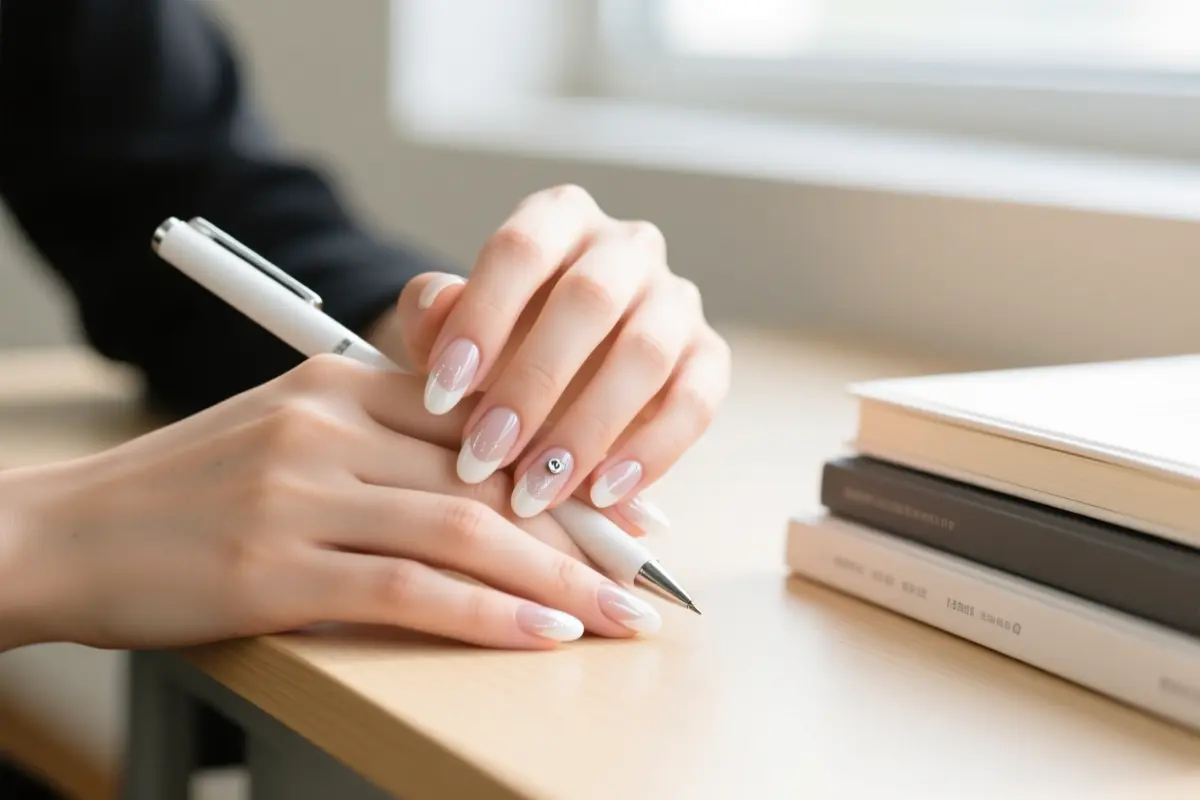
Back to School Nails: Practical, Long-Lasting Manicure Ideas for Students and Teachers
While Instagram reels glorify sky-high nail towers and intricate 3D charms, the daily grind of opening lockers, typing essays, and handling classroom supplies tells a different story. Those extreme looks crumble under the 6-8 hours of writing and typing that students and teachers log, leaving you with chipped tips and wasted budget.
This guide swaps flash for function, showcasing nail options that survive a hectic school schedule without constant salon trips. We’ll explore UV gel and builder gel for 2-3 week durability, low-risk shapes like squoval and active round, and clever negative-space designs that hide regrowth and protect tight student wallets. Perfect for anyone who wants polished nails that actually last class to class.
1. The Matte Micro-French on Short Squoval Nails
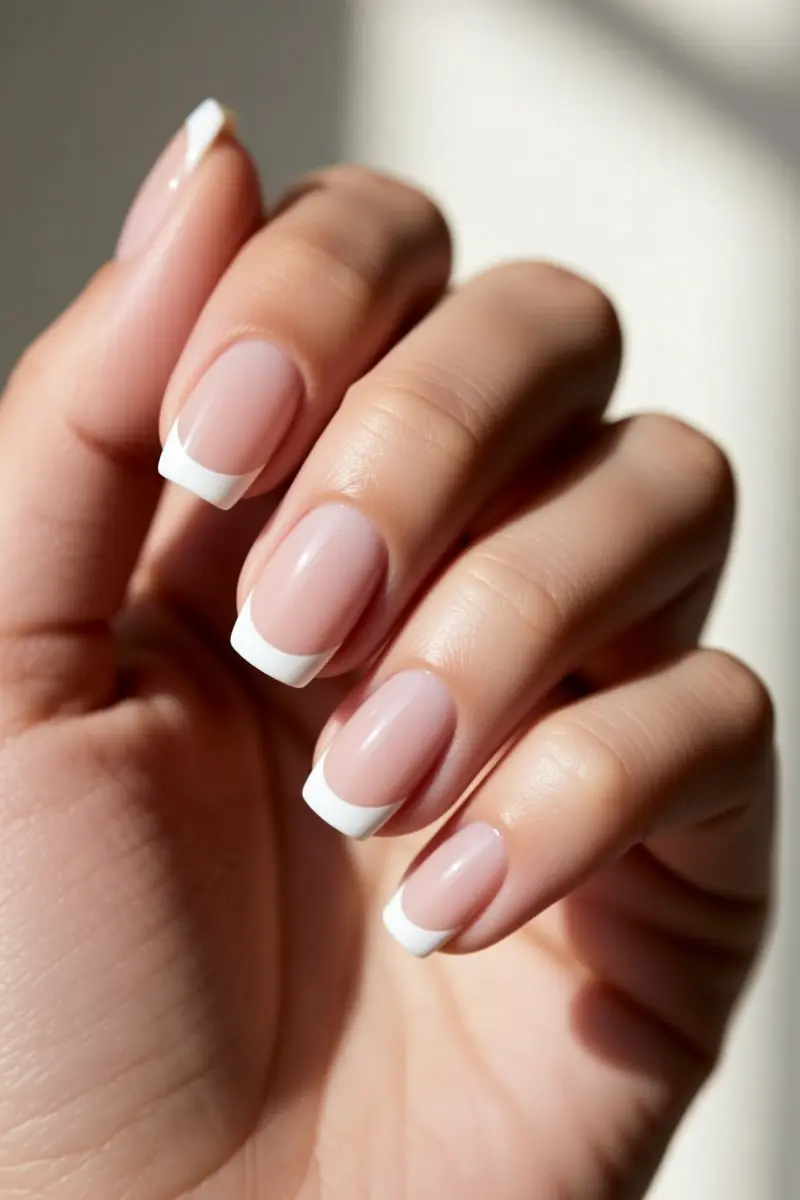
The Matte Micro-French on short squoval nails keeps natural growth looking clean and professional.
Squoval nails blend square strength with an oval curve, creating a soft‑square shape that flatters every hand and stays low‑maintenance.
The slightly rounded edges reduce pressure on the nail bed, a real relief during long exam sessions where fast typing can cause soreness.
Painting the micro‑French requires a detail liner brush to draw an ultra‑fine white line just a millimeter from the free edge.
A matte topcoat seals the tip and blocks the yellowing that often appears on glossy finishes.
Many people choose a thick, high‑shine gel for extra sparkle, but that formula chips quickly at the free edge and defeats the purpose of a durable school‑day manicure.
A user who took six months of esthetics classes noted that the squoval shape survived frequent hand washing without breaking.
The look works best on short to natural‑length nails; very long extensions may struggle to hold the delicate line. Keep the matte topcoat fresh every two weeks for the longest wear.
2. Abstract Primary Color Blobs
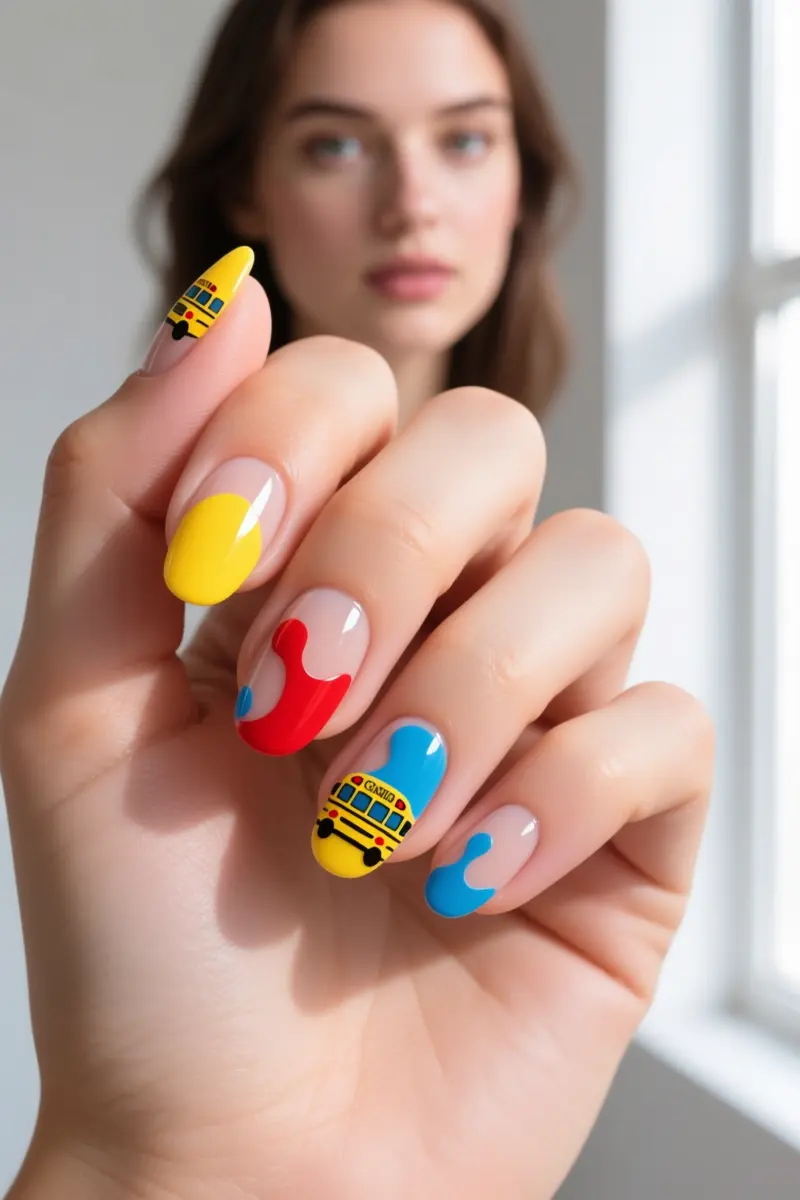
Abstract primary color blobs combine asymmetrical splashes of school‑bus yellow, red, and blue on a sheer nude base.
Because the pigments are vivid, ink from pens or graphite from pencils can quickly stain the design if a high‑quality stain‑resistant topcoat is not applied.
A silicone stamping mat lets you shape clean blobs before pressing them onto the nail, reducing mess and giving sharper edges.
Long striping brushes with bristles at least 10 mm long create fluid strokes, making the blobs look intentional even for beginners. Abstract swirl nail art is beginner‑friendly; there is no wrong way to swirl, so students and teachers can experiment without fear of failure.
Using slightly different compositions on each nail while keeping the same primary palette prevents the look from feeling disconnected.
Many people find that working with solvents in a chemistry lab dulls hand‑painted art, so science majors should skip this style during lab hours.
To keep the colors bright for a week, finish with a stain‑resistant topcoat and avoid prolonged contact with writing tools.
3. High-Gloss Neutral Builder Gel
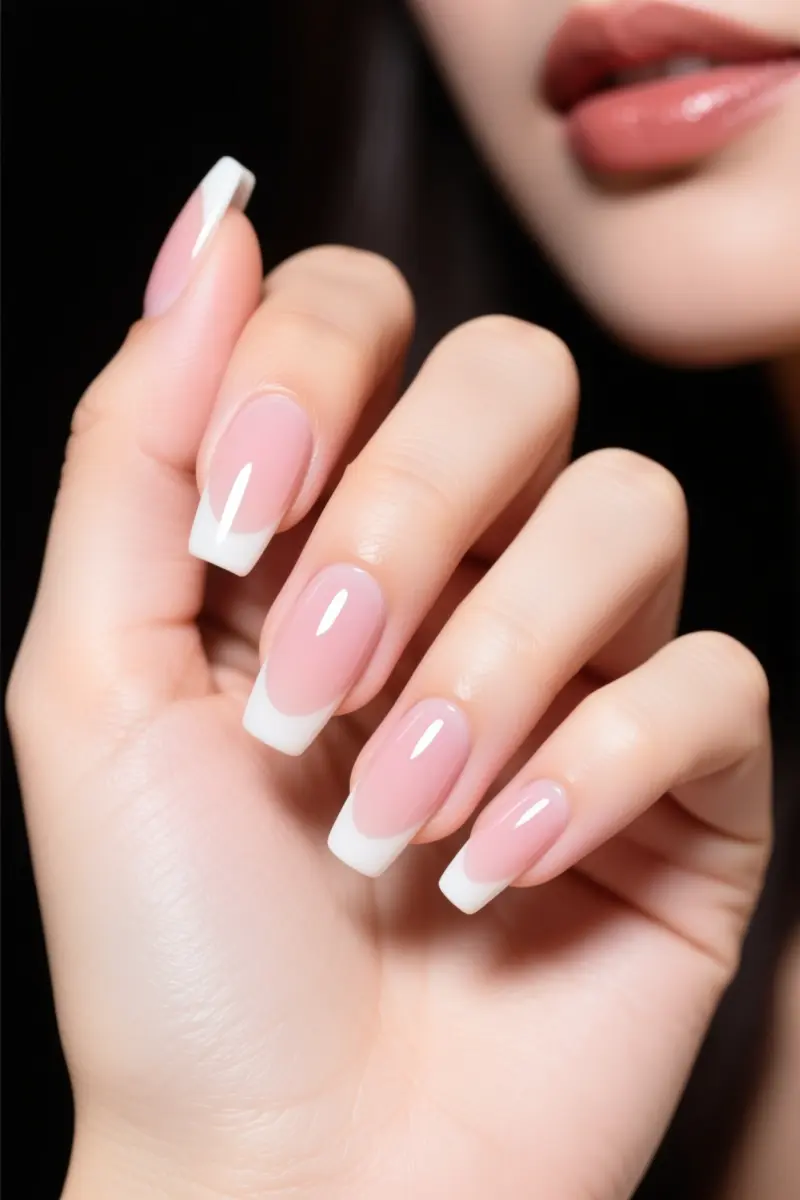
High‑gloss neutral builder gel gives teachers a durable, non‑wipe finish that stays shiny despite dry‑erase marker dust and sanitizer spray.
Cloud BIAB™ provides an off‑white sheer shade with a warm pink undertone that reads as a muted, cool‑toned neutral, perfect for matching both cool and warm skin undertones.
The gel is TPO‑ and HEMA‑free, so it’s safe for sensitive nail plates and works on all nail types.
Pair it with a Rubber Base or Bond Base, then cure precisely to lock in the self‑levelling, smooth surface.
Its thin viscosity spreads evenly, creating a strong overlay that protects thin nails and supports natural growth.
Because the formula is non‑wipe, you skip the glossy top‑coat step and avoid the dulling effect of classroom chemicals.
Removal requires a soak‑off process; skipping this or filing aggressively can thin the nail plate, so follow a proper soak‑off routine and moisturize afterward.
The gel’s durability means infills are quick, but students with very brittle nails may benefit from a thin layer of hard gel beneath for extra reinforcement.
Matching the neutral pink‑beige to your undertone is simple: cool undertones look best with the cooler edge of the shade, while warm undertones glow with the subtle pink hue.
This approach delivers a polished, low‑maintenance manicure that survives a full school day.
4. Academic Tortoiseshell Tips
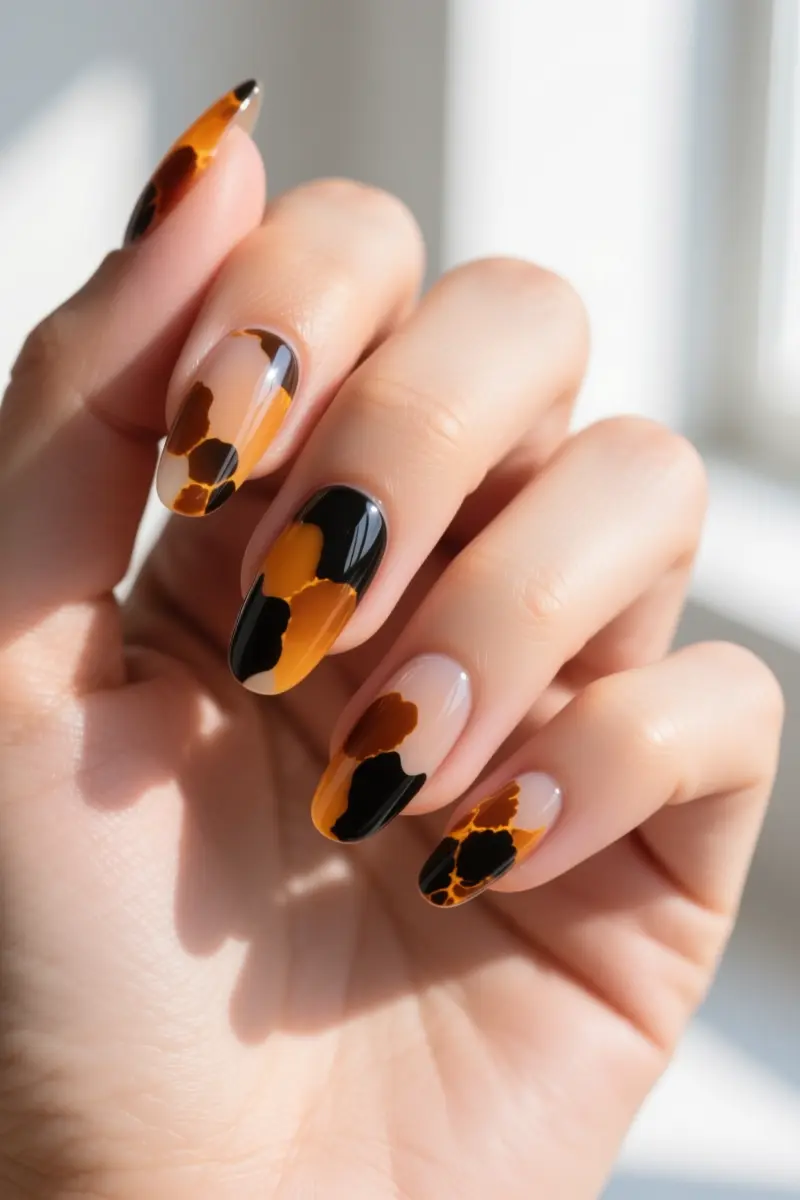
Academic tortoiseshell tips create an amber‑and‑black pattern that fits the fall semester vibe and masks minor chips during hectic weeks.
The design is a timeless autumn/winter trend, according to Scratch Magazine.
You’ll need jelly gel polishes in amber and medium brown, plus dark brown and black gel, a fine liner, a flat brush, and a glossy top coat.
Begin with a sheer amber gel base, cure for one minute, then add irregular, offset splotches of brown jelly polish.
Leave the brown layer uncured, flash‑cure to let it bloom, and repeat with black for contrast.
Each translucent layer adds depth and a warm, glass‑like effect, building the classic three‑dimensional tortoiseshell look.
A frequent error is painting solid black circles; diluted, organic‑shaped patches keep the pattern fluid and prevent the design from looking blocky. Overlapping colors too much can also mute the distinct tortoiseshell effect.
Halyna Kaliugina describes the layered process as intricate yet surprisingly simple, and many users report perfect results even without prior experience.
Finish with a clear builder gel top coat and lightly file any bumps caused by multiple layers to keep the surface smooth.
5. Negative Space Geometrics
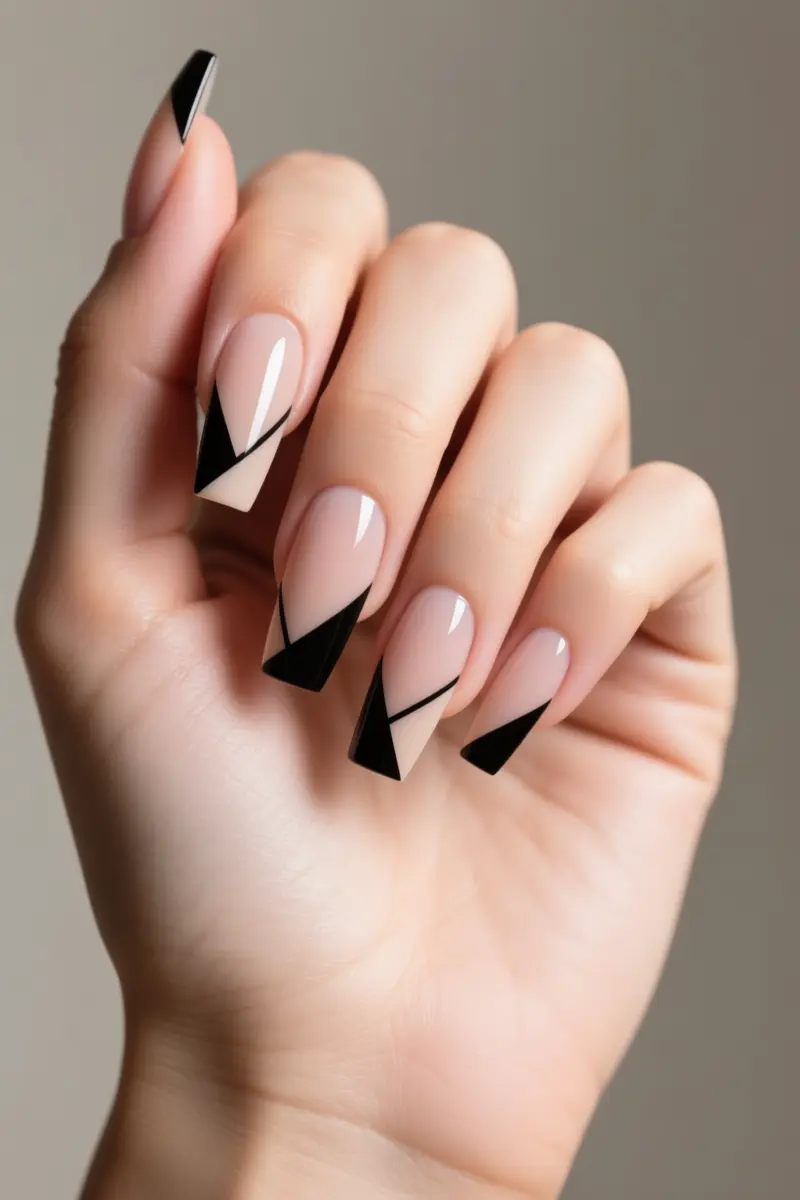
Negative space geometrics give a growth‑proof manicure that can last up to four weeks without looking messy.
The cuticle area stays untouched, so new nail growth is hidden, and you avoid the usual “messy” refill. For students on a budget, this means skipping a salon fill‑in cycle and saving $30‑$50 per month while still looking polished.
Start with a sheer or nude base, then press striping tape firmly over the cuticle and any geometric sections you want to keep clear.
While the base is still wet, paint over the tape with black or any bold color, cure, and peel the tape to reveal crisp lines.
For sharper edges, use a fine striping brush to block out areas instead of tape, but avoid overloading the brush or the design will lose its crispness.
Finish with a top coat to lock in the design.
The open negative space elongates the nail’s center, which flatters naturally wider nail beds. Many beginners find the tape method easy, while advanced users prefer freehand striping for an edgier look.
Just remember to press the tape down securely; otherwise, polish can seep under and blur the geometry.
6. Subtle Composition Notebook Scribbles
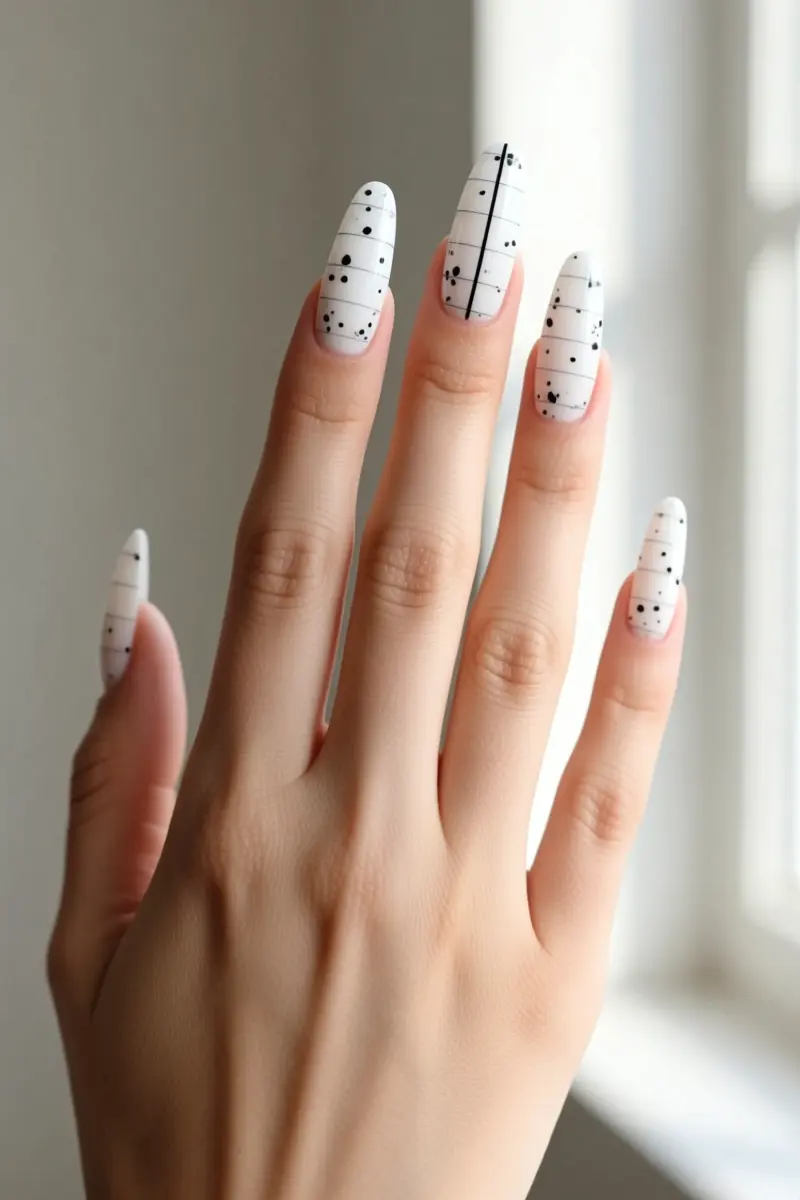
Subtle composition notebook scribbles give a low‑key school vibe without looking childish.
The look relies on fine black speckles scattered across a sheer white or light gray base, mimicking the margins of a lined notebook. It stays polished enough for a classroom while still feeling personal.
Create the speckles with a fan brush dipped in black polish, flicking the bristles toward the nail for a soft, random pattern.
For a cleaner finish, a speckled topcoat can be brushed over the base coat; the topcoat spreads the pigment evenly and locks the design in place. Both methods take under five minutes and require only basic tools.
A common complaint is that dense, all‑over speckles can make short, wide fingernails appear stubby.
To keep the manicure elongating, limit the pattern to three nails and add a vertical accent nail on the ring finger. The single‑line accent draws the eye upward, balancing the busy background.
A step‑by‑step video tutorial shows how to customize a composition notebook with a peel‑and‑stick cover, and a nail artist demonstrates the same notebook design in a school‑themed series.
The customized notebook is also mentioned as a thoughtful gift for students and teachers.
7. Sheer Blush with Micro-Chrome Dusting
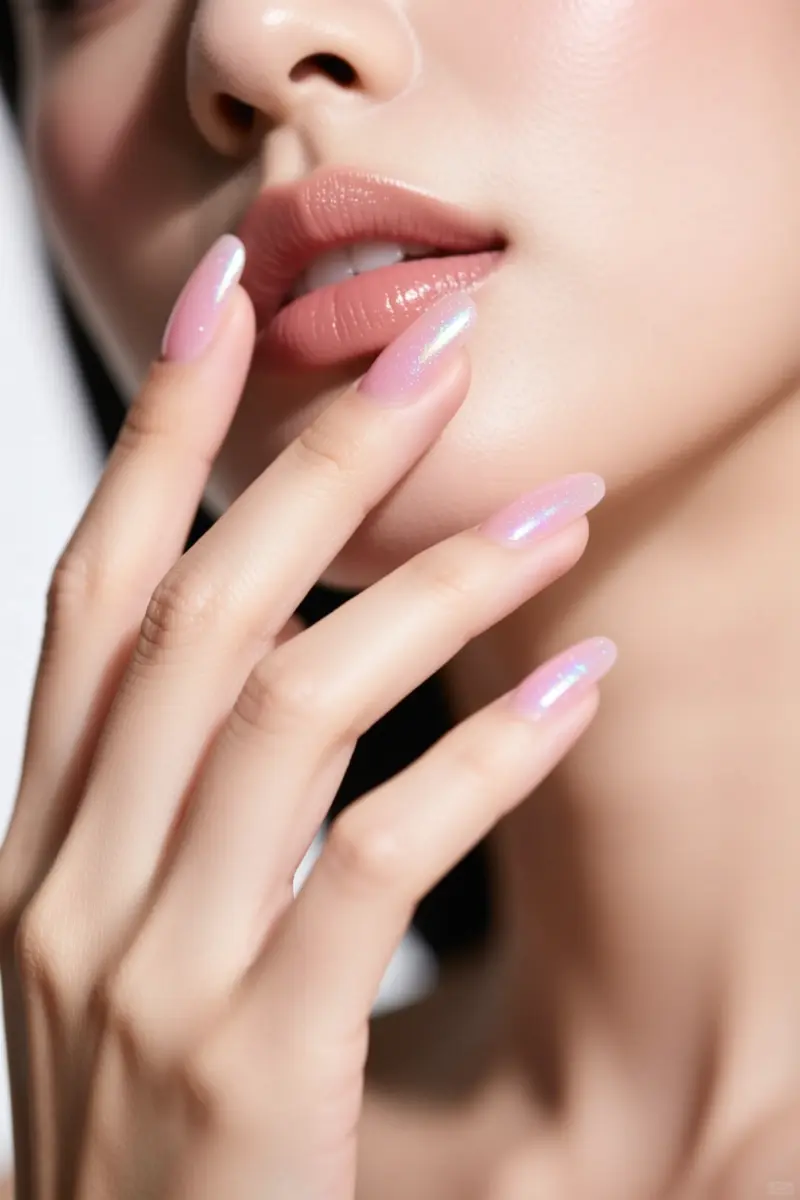
Sheer blush with micro‑chrome dusting gives a soft neutral manicure that stays glossy for weeks. Start with a gel base coat, then a sheer pink or nude gel colour, curing each layer.
Apply a thin no‑wipe top coat, cure fully, and rub ultra‑fine chrome pigment onto the tacky surface with a silicone applicator in small circles until it looks reflective.
Brush off excess, then cap the free edge with a second top coat and cure again; finish with cuticle oil. The whole process takes about 15-25 minutes and typically lasts 2-3 weeks.
White pearl chrome highlights cool undertones, while champagne gold adds warmth to olive or golden skin without washing out the hands.
This look masks regrowth well, making daily school schedules hassle‑free.
A common downside is peeling if the chrome powder meets a non‑tacky surface or if the top coat is wrong; many people find a regular or wet top coat leaves a dusty, patchy finish.
Ensure both top‑coat layers are fully cured, and the free edge is capped twice to keep the glazed donut nails intact through class and after‑school activities.
8. Olive Green & Cream Blocked Nails
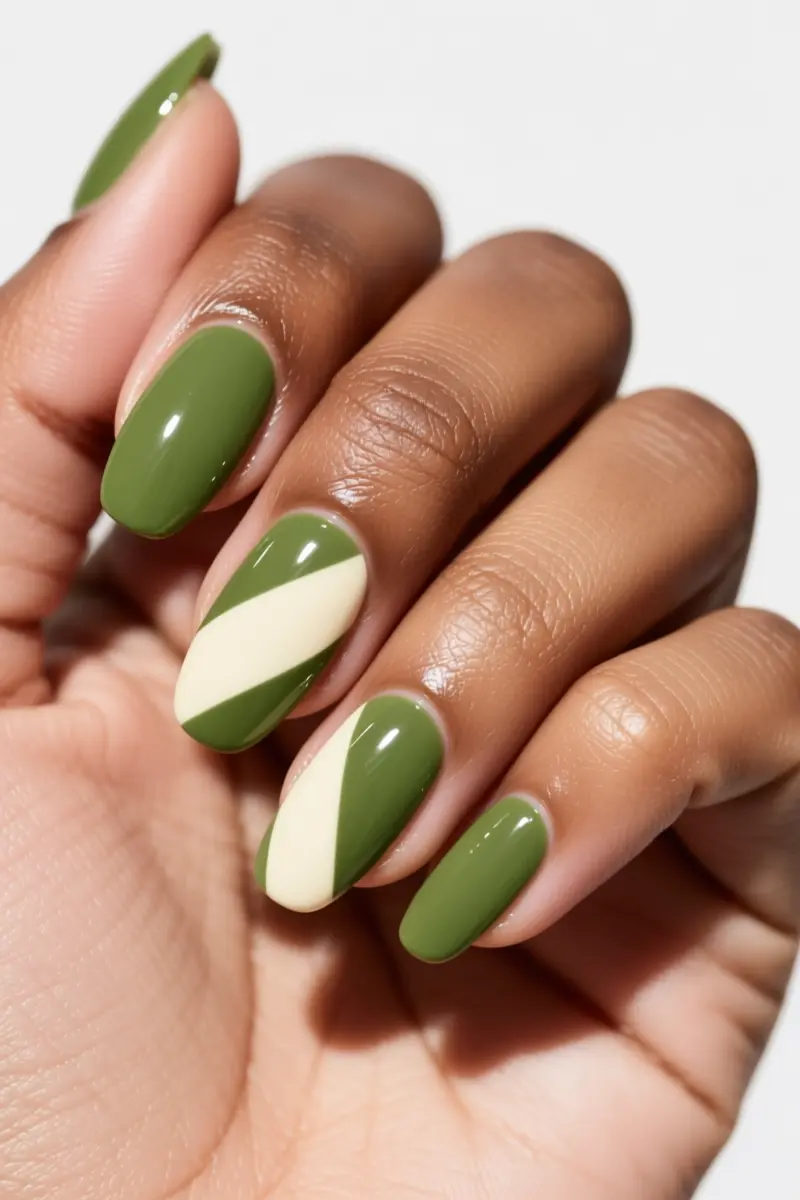
Olive Green & Cream Blocked Nails give an earthy, academic vibe perfect for the back‑to‑school season. Olive green is a key fall shade for 2026, praised for its muted, renaissance feel that pairs naturally with neutral cream.
The contrast creates a color‑blocking look that reads as an autumn manicure while staying mature enough for classrooms.
A high‑shine finish on the cream side prevents the matte polish from grabbing dust off heavy paper files or chalkboard chalk.
Many people find the olive portion forgiving with dirt, but the light cream can look smudged after a few minutes of note‑taking, so a glossy top coat is worth the extra step.
Use guide stickers to carve clean diagonal lines across natural nails; the stickers keep edges sharp and eliminate brush‑stroke fuzz.
This technique works well on medium to deep skin tones, where the olive hue pops, and the cream offers a subtle lift.
The design holds up best with a weekly top coat refresh. Students who handle a lot of textbooks may prefer a slightly thicker base coat to avoid early chipping.
Overall, the palette balances fall outfits and offers a polished, scholarly look without demanding daily touch‑ups.
9. Confetti Glitter Accent Nails

Confetti glitter accent nails add a playful pop to a neutral base for a back‑to‑school celebration.
Start with a high‑quality peel‑off base coat to protect the natural nail and make removal less risky; many people find that rushed removal weakens the nail surface.
Apply a thin layer of chunky glitter on one or two accent tips, remembering that chunky glitter looks dramatic while fine glitter stays elegant.
Trim any overhanging glitter with nail clippers before filing to avoid a bulky feel.
Seal the design with two coats of gel topcoat; the double layer smooths the texture and prevents glitter from catching on fabrics.
Short nails carry the confetti look beautifully, especially when paired with a French tip or a soft shimmer accent.
The manicure will last longer when the base coat, thin glitter layers, and topcoat are all applied correctly.
A common complaint is that glitter nails can quickly become messy if the technique is off, so patience during removal is essential.
This style suits students who want a temporary burst of fun and can handle a careful peel‑off routine.
Your Next Nail Moment Awaits
Start with a UV or builder gel base; it gives you two to three weeks of chip-free wear, even when you’re typing nonstop. Keep the length in a squoval or active round shape to dodge locker-door snags, and add a thin negative-space stripe from the cuticle to disguise any regrowth between appointments.
Pick the combo that fits your schedule, and you’ll walk the hallways with nails that look polished and stay strong. Pin this list for your next salon visit, or share it with a classmate who’s tired of daily touch-ups. Your next nail moment is just a few smart choices away.
Back to School Nail Care & Styling FAQ
What are some creative nail art ideas for back-to-school?
Creative and functional options include micro-French tips in school colors, negative space geometric patterns that hide regrowth, minimalist academic tortoiseshell accents, and subtle composition-notebook-inspired speckles on short squoval nails.
Which nail shape is most durable for students who type frequently?
The short round or squoval shape is the most durable because it distributes pressure evenly across the nail bed, minimizing snagging and reducing strain during long typing sessions.
How can teachers make their manicures last longer against classroom wear?
Teachers should opt for builder gel (BIAB) instead of regular polish, cap the free edge of the nail with topcoat during application, and wear a non-wipe high-gloss formula that resists ink stains and marker dust.
Are press-on nails a reliable choice for the school semester?
Press-ons are highly convenient for weekend wear, but they are prone to popping off under pressure during gym classes, laboratory work, or heavy typing unless applied with a professional-grade, dehydrating prep kit and medical-grade glue.
How can I make my back-to-school manicure budget-friendly?
Choose negative space nail art designs that start further up the nail bed. This visual placement prevents a harsh outgrowth line, allowing you to stretch your salon visits to every four or five weeks instead of two.